Comparing Serrated Bread Knife vs Straight Edge Chef Knife Performance
Description
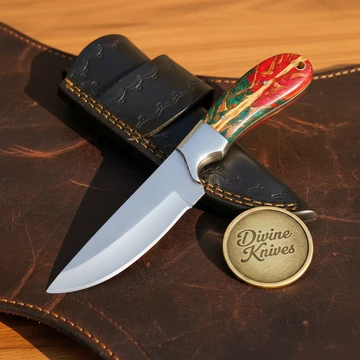
When building an effective kitchen cutlery collection, understanding the functional differences between a serrated Bread Knife and a straight-edged chef knife is essential. While a chef knife is a versatile tool for slicing meats and chopping vegetables, its smooth edge struggles when encountering hard, polished crusts or waxy skins. At Divineknives, we analyze blade mechanics to help cooks select the right tool for every cutting task.
While a straight edge relies on friction and direct pressure to push through food, a serrated blade uses pointed teeth to saw cleanly through hard surfaces without crushing delicate interiors. Exploring differences in edge profile, food suitability, and maintenance helps you get the best performance out of both essential blades.
Surface Penetration: Sawing Action vs Push-Cutting Force
The primary difference between a serrated blade and a straight-edge knife lies in how their edges make initial contact with food. A straight-edged chef knife cuts using a clean push-cut or rocking motion. When applied to hard sourdough crusts or tough pumpkin skins, a straight edge can slip across the slick surface, requiring dangerous downward pressure that crushes soft interiors.
In contrast, a Bread Knife uses sharp, protruding serration points that snag and puncture hard outer skins instantly. Once the points penetrate the surface, the scalloped teeth saw through dense textures without requiring heavy downward force. The team at Divineknives crafts serrated profiles that glide effortlessly through hard crusts, protecting delicate crumb structures underneath.
Food Suitability: Beyond Standard Loaves of Bread
While its name implies a single purpose, a quality Bread Knife is actually a multi-functional kitchen tool capable of processing many tricky foods that defy standard chef knives:
A straight-edged chef knife excels at dicing onions, mincing herbs, and slicing boneless meats, but it can bruise ripe tomatoes or tear soft cakes. Using a serrated blade from Divineknives allows you to slice waxy-skinned produce and delicate baked goods cleanly without squishing their soft insides.
Edge Longevity and Sharpening Frequency Requirements
Edge maintenance differs significantly between serrated and straight-edged cutlery. Because a straight edge makes continuous, direct contact with wooden or plastic cutting boards, it gradually dulls and requires regular honing and frequent whetstone sharpening to maintain peak performance.
A Bread Knife retains its sharpness much longer because only the raised serration points touch the cutting board, leaving the recessed inner teeth protected from dulling impacts. While sharpening a serrated blade requires a specialized tapered ceramic rod, it needs to be done far less often than sharpening a smooth edge. Divineknives uses ultra-hard steel alloys that preserve serration sharpness through years of daily kitchen use.
Blade Thickness and Flex Dynamics
Blade flexibility plays a huge role in how straight a knife cuts through large food items. Chef knives feature a rigid, thicker spine designed to split dense root vegetables and slice thick proteins without flexing off course. However, this extra thickness can cause thin slices of bread or cake to wedge and tear apart.
A high-quality Bread Knife features a thinner, slightly flexible blade profile that moves smoothly through large loaves and tall cakes with minimal friction. This slight flex allows you to guide thin, even slices across wide surfaces cleanly. At Divineknives, our blades strike the ideal balance between lateral flexibility and cutting stability for effortless control.
Conclusion
While a straight-edged chef knife remains an indispensable kitchen workhorse for chopping and slicing meats, a dedicated Bread Knife is unmatched when handling crusty loaves, delicate cakes, and waxy-skinned fruits. Having both specialized tools in your kitchen ensures every ingredient is prepared cleanly without damage. At Divineknives, our hand-crafted collection bridges classic forging artistry with modern kitchen functionality. Equip your culinary station with the right blade today and enjoy effortless precision across every meal.