Choosing the Perfect Santoku Knife Dimensions and Handle Styles
Description
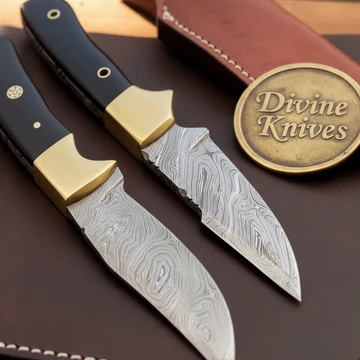
Selecting the ideal size and handle configuration for your Santoku Knife is the final step in securing a tool that fits your personal hand ergonomics and cooking requirements. While all Santokus share a core shape, variations in blade length, overall weight, handle construction, and scale materials dramatically alter how the knife feels during use. At Divineknives, we offer custom options to help every chef find their perfect kitchen match.
Choosing between traditional Japanese wooden handles (Wa-handles) and Western-style riveted handles (Yo-handles), alongside picking the right blade length, ensures your knife feels perfectly balanced. Evaluating these physical parameters guarantees your kitchen tool delivers maximum comfort, control, and joy during every prep session.
Blade Length Selection: 5.5-Inch vs 7-Inch Options
Santoku blades typically range between 5.5 inches and 7 inches in length, offering a versatile middle ground between small paring knives and large chef blades:
- 5.5 to 6-Inch Blades: Compact and lightweight, these shorter models offer high control and agility for small kitchens, quick prep tasks, and cooks with smaller hands. They excel at slicing fruits, trimming garlic, and dicing small vegetables.
- 6.5 to 7-Inch Blades: The standard universal size for a Santoku Knife, providing ample cutting edge length to handle large cabbage heads, thick meats, and high-volume vegetable prep while remaining easy to maneuver.
At Divineknives, our 6.5-inch model represents the ultimate sweet spot for general kitchen versatility, balancing long cutting reach with compact agility.
Traditional Japanese Wa-Handles vs Western Yo-Handles
The handle design plays a huge role in how weight is distributed across the knife and how your hand grips the tool:
- Wa-Handles (Japanese Style): Lightweight, wooden handles featuring octagonal, D-shaped, or oval cross-sections. Secured with a hidden tang, Wa-handles shift the balance point forward toward the blade, making the knife feel fast and agile for precision slicing.
- Yo-Handles (Western Style): Contoured handle scales riveted onto a full-tang steel structure. Yo-handles add comforting weight to the palm, providing a familiar, sturdy grip for cooks accustomed to traditional Western cutlery.
Divineknives offers both traditional Wa-handle and classic Yo-handle configurations, ensuring every chef finds their preferred grip balance.
Handle Material Selection: Pakkawood, G10, and Hardwoods
The material chosen for your knife handle dictates its resistance to water, grip traction, and long-term aesthetic beauty in the kitchen environment:
- Pakkawood: An engineered wood/resin composite that offers the warm visual beauty of natural timber with complete waterproof durability. Pakkawood will not warp, split, or absorb food odors.
- G10 Synthetic Composites: High-strength fiberglass laminates that provide bulletproof moisture resistance and textured grip security, ideal for high-volume commercial kitchens.
- Natural Hardwoods (Walnut, Ebony, Rosewood): Offer traditional elegance, natural warmth, and unique wood grain patterns that develop a rich character over time with routine oiling.
At Divineknives, we hand-finish all handle materials to eliminate sharp edges and ensure a seamless, comfortable fit against your palm.
Full-Tang vs Hidden-Tang Weight Distribution Dynamics
Tang construction refers to how the steel blade extends into the handle material, directly influencing the overall weight and durability of your Santoku Knife:
Full-tang construction features blade steel running the full length and width of the handle, offering maximum strength and a solid, palm-weighted feel. Hidden-tang construction inserts a narrowed steel rod into a single piece of carved wood, significantly reducing overall knife weight for a light, effortless feel. At Divineknives, we balance both construction styles so every model feels balanced, sturdy, and nimble.
Conclusion
Finding your ideal Santoku Knife requires matching blade length, handle style, scale material, and tang construction to your unique cooking habits and hand size. Whether you prefer a light, traditional Wa-handle model for delicate slicing or a robust full-tang Western model for heavy prep, picking quality craftsmanship guarantees decades of culinary pleasure. At Divineknives, our handcrafted kitchen blades are forged to meet the highest standards of beauty and utility. Choose your perfect knife today and experience culinary excellence in your own kitchen.