Wisdom Teeth Surgery: Why Timing Can Matter More Than You Think
Description
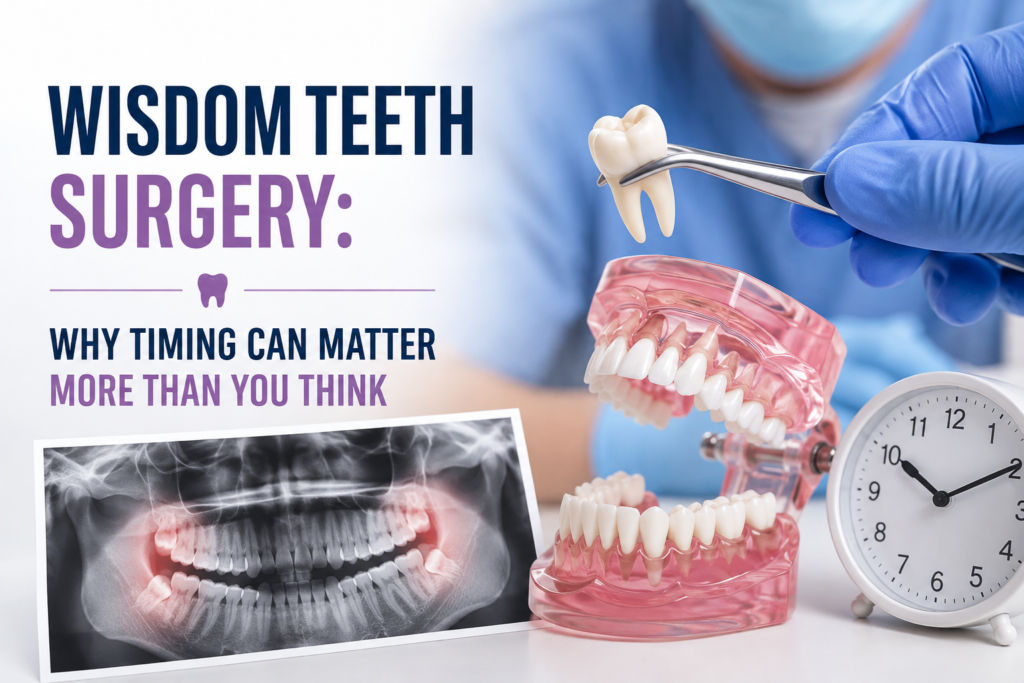
Wisdom teeth do not always cause problems, but when they become impacted, overcrowded, or difficult to clean, treatment may eventually be recommended. For some patients, wisdom teeth surgery can help prevent ongoing discomfort and reduce the risk of future dental complications. Understanding why timing matters can make the decision feel less uncertain and help you approach treatment with greater confidence.
Why Do Wisdom Teeth Cause Problems?
Wisdom teeth are the final set of molars to develop, usually appearing during the late teenage years or early adulthood. By this stage, there may not be enough room in the jaw for them to grow properly.
Some wisdom teeth emerge normally and remain healthy. Others become partially or completely trapped beneath the gum or bone. These are known as impacted wisdom teeth.
Problems can develop when a wisdom tooth is positioned at an unusual angle, presses against a neighbouring tooth, or creates an area that is difficult to clean. Food and bacteria can become trapped around the tooth, increasing the risk of gum inflammation, decay, infection, and other dental concerns.
Why Can Timing Make a Difference?
One of the most important factors when considering wisdom tooth treatment is timing. Waiting does not necessarily mean a problem will develop, but an existing concern may become more complicated if it is left untreated.
Your dentist may recommend monitoring a wisdom tooth if it is healthy, properly positioned, and not causing symptoms. On the other hand, recurring pain, swelling, infection, damage to nearby teeth, or an impacted tooth may indicate that treatment should be considered.
The decision is not simply about age. Your dental health, tooth position, symptoms, jaw development, and individual circumstances all play a role.
Early assessment can therefore be valuable. It gives your dentist an opportunity to identify potential issues and discuss suitable options before symptoms become more disruptive.
What Happens During the Treatment Process?
The experience can vary depending on the position and condition of the wisdom tooth. Before treatment, your dentist will typically assess the tooth and surrounding structures, often using dental imaging when appropriate.
This assessment helps determine how difficult the removal may be and whether a surgical approach is required.
Patient comfort is also an important part of the experience. Your dental team should explain what will happen, discuss appropriate anaesthesia or pain management options, and provide clear aftercare instructions.
Knowing what to expect can make the process feel considerably easier. Rather than simply arriving for a procedure, patients can understand why treatment has been recommended and how they can prepare for recovery.
Comfort and Recovery Matter Too
The quality of the treatment experience does not end when the tooth is removed. Recovery and aftercare are important parts of the overall process.
Patients may experience swelling, tenderness, or sensitivity following treatment. These effects can vary depending on the complexity of the procedure and individual healing.
Following your dentist’s instructions carefully can support a smoother recovery. This may include eating suitable foods, maintaining appropriate oral hygiene, avoiding activities that could interfere with healing, and attending any recommended follow-up appointments.
Good communication also matters. Patients should feel comfortable asking questions if they are unsure about symptoms or recovery instructions.
Making an Informed Decision
Not every wisdom tooth needs to be removed. This is why a personalised dental assessment is more useful than relying on general advice found online.
During an assessment, your dentist can consider the tooth’s position, surrounding teeth, gum health, symptoms, and potential risks. This approach supports thoughtful decision-making rather than treatment based solely on assumptions.
For patients who do require wisdom teeth surgery, understanding the reason behind the recommendation can provide reassurance. It also allows you to plan around work, study, family responsibilities, or other commitments.
Long-Term Value of Appropriate Treatment
Dental treatment should be considered from a long-term perspective. Addressing a problematic wisdom tooth may help reduce the likelihood of repeated discomfort or infections and protect neighbouring teeth from avoidable complications.
At the same time, unnecessary treatment should be avoided. The goal is not simply to remove wisdom teeth, but to make a decision that is appropriate for your oral health.
This balanced approach reflects changing patient expectations. People increasingly want clear explanations, personalised care, comfortable treatment experiences, and a better understanding of the choices available to them.
A More Thoughtful Approach to Dental Care
Modern dental care is not only about treating problems after they appear. Regular examinations can help identify developing concerns and give patients time to consider their options.
For wisdom teeth, this can be particularly useful because symptoms are not always the first indication of a problem. A tooth may be difficult to clean or positioned in a way that creates future risks without causing significant pain today.
Taking a proactive approach does not necessarily mean choosing surgery immediately. It means having the right information to make a sensible decision based on your individual circumstances.
Conclusion
The right time for treatment depends on more than simply reaching a certain age or experiencing pain. Regular dental assessments, appropriate imaging, and professional advice can help determine whether monitoring or treatment is the more suitable option. If wisdom teeth surgery is recommended, understanding the reasons behind it can make preparation and recovery easier.
At Modern Dental Centre, we focus on clear communication, patient comfort, and individualised dental care. Our aim is to help patients understand their options and make informed decisions about their long-term oral health.