Why Is Silk Fingering Yarn So Popular Right Now?
Description
Right, let’s start simple. Silk fingering yarn is a fine weight yarn — thinner than your standard DK or worsted — made from silk fibre, or a silk blend. Fingering weight sits somewhere around 14 wraps per inch, give or take, depending on who you ask (and honestly, every yarn shop seems to measure it slightly different). What makes silk different from say, a merino fingering, is the drape. Silk has this natural sheen and weight to it that makes finished garments hang beautifully instead of looking stiff or boxy. It’s not the easiest yarn to work with if you’re a beginner, I’ll be honest with you there. It splits a bit, it’s slippery on the needles. But once you get the hang of it, there’s nothing quite like it.
Why Knitters Are Obsessed With It
I get asked this a lot — why bother with silk when wool does the job fine? Fair question. But silk fingering yarn brings something wool just can’t. That glossy finish, for one. Also the way it breathes. Silk is actually a protein fibre same as wool, but it behaves totally different on skin. Cooler in summer, surprisingly warm in winter too when blended right. A lot of shawls, lace shawls especially, get knit in silk or silk blends because the stitches show up so crisp. If you’ve ever knit lace in a rough acrylic and then in silk, you’ll know exactly what I mean. It’s a different experience altogether.
The Rise of Australian Hand Dyed Yarn
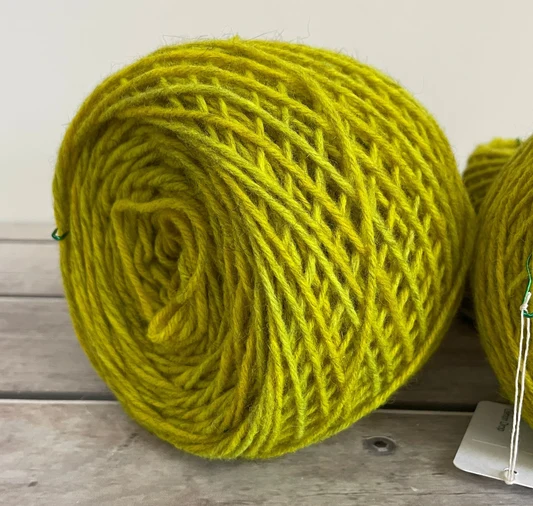
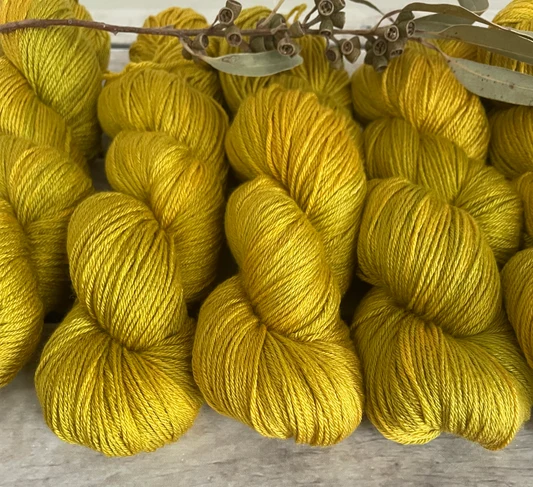
Now here’s where it gets interesting for us local fibre folks. Australian hand dyed yarn has had a proper moment over the last few years, and silk bases are a huge part of that. Small-batch dyers around the country — Melbourne, regional Victoria, up in Queensland too — have been experimenting with silk and silk-blend bases because the fibre takes dye so well. Unlike some superwash wools that can go a bit muddy, silk holds colour with this depth you don’t get elsewhere. Semi-solids look almost liquid. Variegated colourways pop in a way that’s hard to describe until you’ve seen it in person. There’s a real community built around supporting these small Aussie dyers too, which I think matters more than people realise.
Blends vs Pure Silk
Not all silk fingering yarn is 100% silk, and that’s worth knowing before you buy. A lot of dyers work with silk blended into merino, or cashmere, or even alpaca. These blends are honestly a good entry point if pure silk feels intimidating. A merino-silk blend, say 80/20 or 70/30, gives you the softness and elasticity of wool with just enough silk to add sheen and drape. Pure silk yarns, on the other hand, have almost zero elasticity — which sounds bad but actually makes them brilliant for lace and drapey shawl patterns where you want the fabric to hang, not bounce back. Depends what you’re making really. There’s no wrong answer, just different tools for different jobs.
What to Knit With Silk Fingering Yarn
People always want project ideas, so here goes. Shawls are the obvious one — silk fingering yarn was basically made for lace shawls, the kind you wrap around your shoulders on a cool evening. Fine weight cardigans too, if you don’t mind a longer project (silk projects do take a while, not gonna lie). Socks work but you’ll want a blend with some nylon or wool for durability, pure silk socks wear through faster than you’d like. Scarves, wraps, even fine weight jumpers if you’ve got the patience. I’ve seen some gorgeous silk fingering weight sweaters that took months to finish but the wearer swears it was worth every hour.
Caring for Your Silk Yarn Garments
This bit trips people up. Silk needs gentler care than wool in some ways, tougher in others. Always hand wash, cool water, a proper wool or silk specific wash — nothing with harsh detergents. Don’t wring it, ever. Lay flat to dry, out of direct sun because silk can yellow or fade if you leave it baking on a windowsill. Some Australian hand dyed yarn brands recommend a specific wash for their colours to stay vibrant, so it’s worth checking with the dyer if you bought a special skein. Moths love silk about as much as they love wool, so store it properly, cedar blocks or lavender sachets, whatever you prefer.
Choosing the Right Silk Fingering Yarn for Your Project
There’s a fair bit of variety out there and it can get overwhelming fast. Mulberry silk is the most common, smooth and lustrous. Tussah silk has more texture, a slightly rougher hand, and often takes dye in a more muted, earthy way — some people prefer it for that reason. If you’re after that classic shine, go mulberry. If you want something with a bit more rustic charm, tussah’s worth a look. Weight matters too — fingering can vary slightly between brands, so always check the wraps per inch or just swatch before committing to a big project. Nothing worse than running out of yarn halfway through a shawl because you guessed wrong on yardage.
Supporting Small Batch and Indie Dyers
I want to touch on this because it matters, at least to me. When you buy Australian hand dyed yarn from a small studio rather than a mass-produced skein, you’re getting something genuinely one of a kind. Dye lots vary, colours shift slightly skein to skein, and that’s not a flaw — that’s the whole point. Indie dyers often hand paint or kettle dye in small batches, which means no two skeins are exactly alike. It supports local business, keeps traditional dyeing skills alive, and honestly the quality control tends to be better because someone’s actually paying attention to every single skein, not running a factory line.
Price Points and What You’re Paying For
Let’s talk money because I know people wonder. Silk fingering yarn isn’t cheap, and there’s good reason for that. Silk production is labour intensive, and when you add hand dyeing on top — someone literally mixing dye and painting or kettle dyeing each skein by hand — the price reflects that time and skill. A single skein of Australian hand dyed silk fingering yarn might run anywhere from $35 to $60 or more depending on yardage and the dyer’s reputation. Compare that to mass produced acrylic and sure, it seems steep. But you’re paying for fibre quality, ethical small-batch production, and a finished garment that’ll genuinely outlast cheaper alternatives by years, sometimes decades if cared for right.
Final Thoughts on Silk Fingering Yarn
So, where does that leave us. Silk fingering yarn is one of those fibres that rewards patience it’s not the fastest knit, it’s not the cheapest, and it does take a bit more care both on the needles and after the garment’s finished. But the payoff is real. That drape, that sheen, the way colour just sings when it’s hand dyed by someone who actually cares about their craft you don’t get that from every yarn. If you’re thinking about trying Australian hand dyed yarn for your next project, silk fingering weight is a brilliant place to start, especially if lace or shawls are your thing. Give it a go. Swatch first, be patient with the slippery bits, and I reckon you’ll understand the fuss pretty quickly.
FAQs
Is silk fingering yarn good for beginners?
Not the easiest starting point, no. It’s slippery and a bit unforgiving. Blended silk yarns are more forgiving than pure silk if you want to try it early on.
What’s the difference between mulberry and tussah silk?
Mulberry silk is smoother and shinier. Tussah has more texture and a duller, more rustic look, and it tends to take dye differently too.
Can you machine wash silk fingering yarn?
Best not to. Hand wash in cool water with a gentle wool or silk wash, then lay flat to dry.
Why is Australian hand dyed yarn more expensive than commercial yarn?
Because it’s made in small batches by hand, often one skein at a time, which takes real time and skill compared to factory dyeing.
What can I make with silk fingering yarn?
Shawls, lace wraps, fine cardigans, scarves, and even socks or jumpers if you don’t mind a longer project.