Why Cheese Head Bolts Are a Smart Choice for Precision Engineering
Description
Why Cheese Head Bolts Are a Smart Choice for Precision Engineering – Precision engineering relies on components that deliver accuracy, consistency, and long-term reliability. Whether used in industrial machinery, electronic equipment, automotive systems, or specialized manufacturing, every fastening solution must contribute to structural integrity without compromising performance. Among the many fastener options available, cheese head bolts have earned a strong reputation for their dependable design and versatility.
Although they may not receive as much attention as hex bolts or socket head cap screws, cheese head bolts/ baut offer unique advantages that make them ideal for applications requiring precise alignment and controlled assembly. Their distinctive cylindrical head, combined with reliable fastening performance, makes them a preferred choice for engineers and manufacturers across multiple industries.
What Are Cheese Head Bolts?
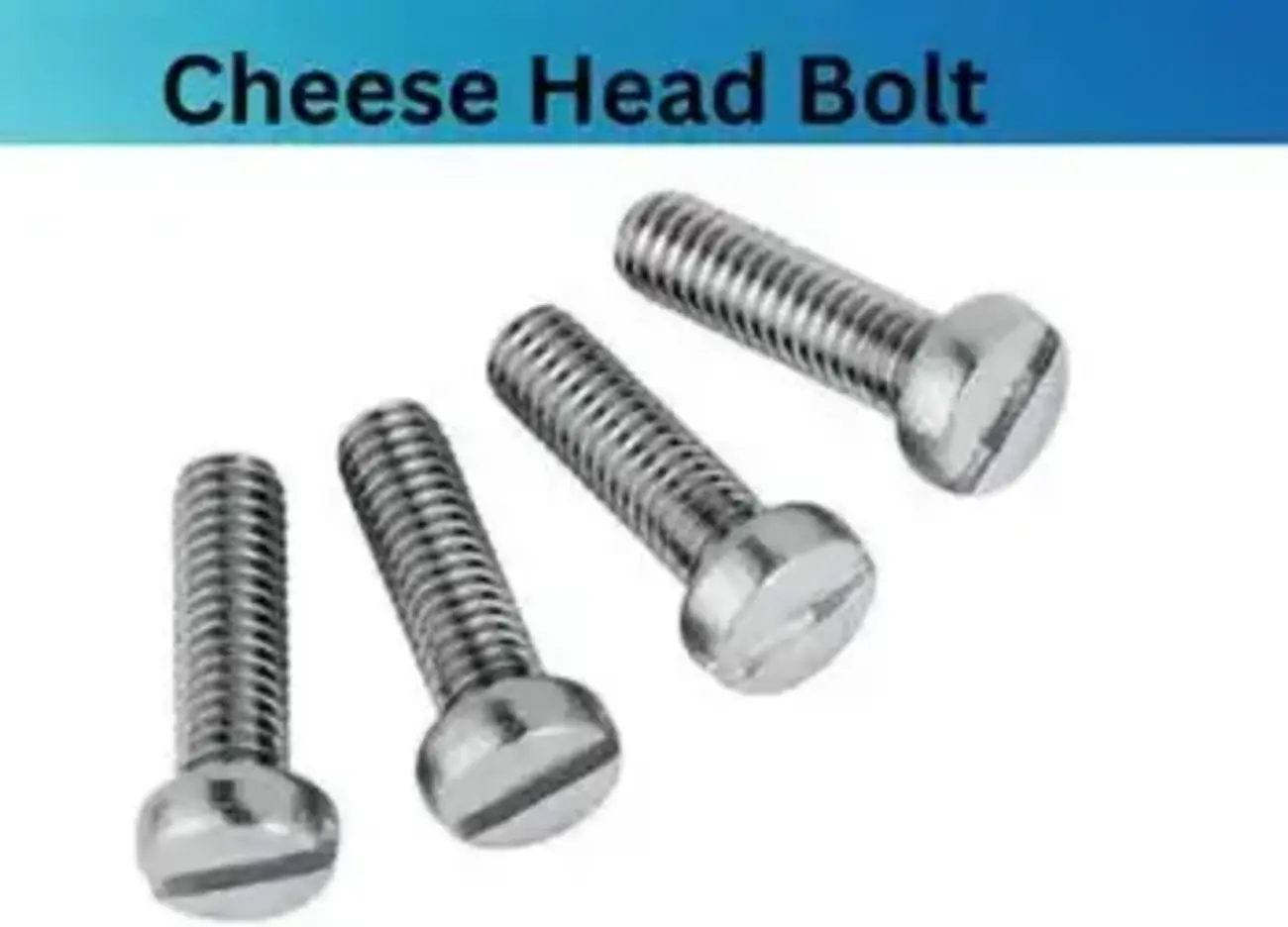
Cheese head bolts are fasteners characterized by their tall, cylindrical head with a flat top. The head resembles the shape of a traditional wheel of cheese, which is how these bolts received their name. They are commonly manufactured with slotted, Phillips, Pozidriv, Torx, or hex socket drives, depending on the intended application.
Unlike countersunk screws, cheese head bolts sit above the mounting surface, making them easier to install, inspect, and remove during maintenance. Their larger head also provides a greater bearing surface, helping distribute clamping forces more evenly across the assembled components.
These bolts are available in various thread sizes, lengths, and materials, making them suitable for everything from lightweight electronic assemblies to heavy industrial equipment.
Key Features of Cheese Head Bolts
Several design characteristics distinguish cheese head bolts from other fastening solutions.
1. Large Bearing Surface
The relatively wide cylindrical head spreads the clamping force over a larger area than many other screw types. This helps reduce localized stress on softer materials such as aluminum, plastics, and composite panels.
2. Compact Yet Strong Design
Despite their moderate size, cheese head bolts provide excellent holding strength. Their design allows engineers to achieve secure fastening without requiring oversized hardware.
3. Easy Installation
Available with multiple drive configurations, cheese head bolts simplify installation using common tools. The raised head also improves accessibility in assemblies where countersinking is not practical.
4. Excellent Serviceability
Maintenance personnel appreciate cheese head bolts because they are easier to locate, loosen, and replace during inspections or equipment repairs.
Benefits in Precision Engineering
Precision engineering demands more than simply holding components together. Fasteners must contribute to alignment, repeatability, and overall system reliability.
Consistent Clamping Force
Uniform clamping pressure is essential when assembling precision components. Uneven pressure can cause distortion, vibration, or premature wear.
The broad head design of cheese head bolts helps distribute force evenly, reducing the likelihood of component deformation.
Improved Component Alignment
Many precision assemblies depend on exact positioning. Cheese head bolts help maintain stable joints that resist shifting during operation, especially when paired with precision-machined holes and properly specified torque values.
Reduced Risk of Material Damage
Certain materials are susceptible to crushing or indentation when excessive pressure is concentrated in a small area.
The larger bearing surface of cheese head bolts minimizes this risk, making them suitable for delicate assemblies and lightweight materials.
Reliable Performance Under Repeated Maintenance
Industrial machinery often requires periodic disassembly for calibration, inspection, or repair. Cheese head bolts maintain their usability over multiple installation cycles when properly handled, reducing replacement costs.
Common Applications
Cheese head bolts are used across numerous industries where precision and reliability are priorities.
Industrial Machinery
Machine builders frequently use these bolts to assemble precision mechanisms, covers, brackets, and guide systems.
Electronics Manufacturing
Electronic devices often require compact fasteners that provide secure fastening without damaging sensitive components. Cheese head bolts meet these requirements while allowing easy servicing.
Automation Equipment
Robotics and automated production systems depend on accurately assembled components. Cheese head bolts help ensure consistent mechanical performance while simplifying maintenance.
Automotive Systems
Various automotive assemblies utilize cheese head bolts for mounting electrical components, interior fixtures, and precision mechanical parts.
Medical Equipment
Medical devices require dependable fasteners capable of supporting accurate assembly while maintaining clean, professional appearances. Stainless steel cheese head bolts are especially popular in these environments.
Material Options
Selecting the correct material is just as important as choosing the appropriate bolt design.
Stainless Steel
Stainless steel offers outstanding corrosion resistance, making it suitable for food processing equipment, medical devices, marine applications, and outdoor installations.
Carbon Steel
Carbon steel cheese head bolts provide high strength and cost-effective performance for general industrial applications. Protective coatings such as zinc plating further improve corrosion resistance.
Alloy Steel
For demanding mechanical environments involving higher loads, alloy steel provides enhanced strength and durability.
Brass
Brass cheese head bolts are commonly used in electrical equipment because of their corrosion resistance and attractive appearance.
Choosing the Right Cheese Head Bolt
Several factors should be evaluated before selecting a cheese head bolt for a project.
- Determine the required load capacity.
- Select the appropriate thread size and length.
- Consider environmental exposure, including moisture and chemicals.
- Match the drive type to available installation tools.
- Choose materials compatible with surrounding components to reduce the risk of galvanic corrosion.
- Follow recommended tightening torque specifications for optimal performance.
Proper selection ensures both safety and long-term reliability.
Installation Best Practices
Even the highest-quality fastener performs poorly if installed incorrectly.
Before installation, inspect all threads for damage and clean any debris from the mating surfaces. Align components carefully to avoid cross-threading.
Use calibrated torque tools whenever possible. Over-tightening can damage threads or deform components, while under-tightening may allow joints to loosen during operation.
If vibration is expected, consider using thread-locking compounds, lock washers, or prevailing torque nuts to enhance joint security.
Regular inspections should also be incorporated into preventive maintenance schedules to identify loose or damaged fasteners before they affect equipment performance.
Why Engineers Continue to Choose Cheese Head Bolts
Modern engineering places increasing emphasis on reliability, maintainability, and manufacturing efficiency. Cheese head bolts support these goals by combining practical installation with dependable mechanical performance.
Their ability to provide stable clamping force, reduce stress concentrations, and facilitate maintenance makes them valuable across industries ranging from electronics and automation to heavy manufacturing.
In addition, their wide availability in multiple materials, sizes, and drive configurations allows engineers to specify the most appropriate fastener for virtually any precision assembly.
Conclusion
Tokohasil.com: Cheese head bolts remain a smart choice for precision engineering because they balance strength, accessibility, and consistent performance. Their distinctive cylindrical head provides improved load distribution while simplifying installation and maintenance, making them suitable for a broad range of industrial and commercial applications.
Whether designing sophisticated machinery, assembling electronic equipment, or maintaining precision manufacturing systems, selecting the right fastener is essential. By choosing high-quality cheese head bolts and following proper installation practices, engineers can improve assembly accuracy, extend equipment lifespan, and achieve reliable performance for years to come.