What Services Does a Waterproofing Company in Singapore Provide?
Description
A waterproofing company in Singapore provides professional solutions to protect buildings from water intrusion, leaks, dampness, and moisture-related damage. From roofs and balconies to bathrooms and basements, these specialists identify water problems and apply suitable waterproofing systems to keep properties dry, durable, and well-maintained.
Why Waterproofing Is Important in Singapore
Singapore’s tropical climate brings high humidity, frequent rainfall, and intense storms, making water protection an important part of property maintenance. Even a small crack or failed waterproofing layer can allow moisture to enter a building.
Over time, untreated water infiltration may contribute to:
- Wall and ceiling stains
- Damp patches
- Peeling paint
- Mould and mildew growth
- Concrete deterioration
- Corrosion of reinforcement
- Damaged flooring and finishes
- Unpleasant indoor odours
- Structural maintenance problems
The earlier a water-related problem is identified, the easier it can often be addressed. Professional waterproofing is therefore not simply about repairing visible leaks. It is also about preventing moisture from reaching vulnerable areas in the first place.
Common Services Offered by a Waterproofing Company in Singapore
Waterproofing requirements vary depending on the location, construction materials, source of water, and severity of the problem. Professional contractors generally provide several specialised services rather than using one waterproofing method for every property.
1. Roof Waterproofing
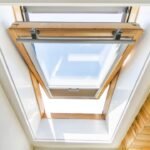
Roofs are continuously exposed to rain, sunlight, temperature changes, and environmental conditions. Over time, waterproofing membranes and protective coatings can deteriorate.
Roof waterproofing services may include:
- Inspection of the roof surface
- Identification of cracks and weak points
- Treatment of existing leaks
- Membrane installation
- Waterproof coating application
- Joint and penetration sealing
- Surface preparation and repair
Proper roof waterproofing helps prevent rainwater from entering the building through cracks, joints, damaged membranes, or other vulnerable areas.
Depending on the roof construction and existing condition, a contractor may recommend different waterproofing systems.
2. Bathroom Waterproofing
Bathrooms are among the most moisture-intensive areas of a property. Water can penetrate through flooring, walls, joints, and pipe penetrations if waterproofing has failed or was inadequately installed.
Bathroom waterproofing can involve:
- Floor waterproofing
- Wall waterproofing
- Shower-area waterproofing
- Joint sealing
- Pipe penetration treatment
- Crack repair
- Waterproof membrane installation
A good waterproofing system should work beneath the visible finishes, helping prevent water from reaching the underlying structure.
3. Balcony Waterproofing
Balconies are exposed to both rainwater and outdoor conditions. Poor drainage, cracked surfaces, deteriorated membranes, and defective joints can allow water to enter the structure.
A professional contractor may inspect:
- The balcony surface
- Drainage points
- Expansion and movement joints
- Existing cracks
- Wall-floor junctions
- Waterproofing layers
- Areas around doors and other penetrations
Balcony waterproofing should address the source of water entry rather than simply covering up visible stains.
4. Basement Waterproofing
Basements can experience water intrusion from surrounding soil, groundwater, cracks, joints, and plumbing-related issues. Because these spaces are below ground level, moisture problems can become persistent if the underlying cause is not identified.
Basement waterproofing services may include:
- Crack injection
- Joint treatment
- Internal waterproofing
- External waterproofing where accessible
- Drainage solutions
- Water seepage treatment
- Protective coatings
The appropriate solution depends heavily on where the water is coming from and how the basement was originally constructed.
Water Leakage Detection and Inspection
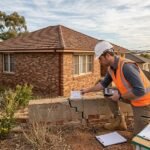
Not every leak is immediately visible. Sometimes a ceiling stain appears several metres away from the actual point where water entered.
That is why leak detection and inspection are important parts of professional waterproofing work.
A contractor may examine:
- Visible cracks
- Damp areas
- Ceiling stains
- Wall discoloration
- Tile joints
- Roof surfaces
- Drainage systems
- Plumbing penetrations
- Waterproofing membranes
Some contractors may also use specialised testing techniques to help determine the source of water intrusion.
Finding the actual source is essential. Repairing only the visible symptom may provide temporary improvement while the underlying water-entry point remains untreated.
Concrete Crack Repair
Concrete structures can develop cracks because of shrinkage, movement, ageing, environmental exposure, or other factors. Not every crack has the same cause or requires the same treatment.
A waterproofing company in Singapore may provide crack repair as part of a broader waterproofing project.
Depending on the situation, repair work may involve:
- Surface crack treatment
- Crack sealing
- Injection systems
- Joint treatment
- Concrete repair
- Waterproof protective coatings
The purpose is not simply to make a crack less noticeable. The repair should be selected according to the crack’s characteristics and the surrounding waterproofing requirements.
External Wall Waterproofing
External walls are directly exposed to Singapore’s weather. Rainwater can penetrate through deteriorated coatings, cracks, joints, and porous surfaces.
External wall waterproofing may involve applying specialised protective coatings designed for the particular substrate and exposure conditions.
A contractor may first inspect the wall for:
- Hairline cracks
- Larger cracks
- Failed paint or coating
- Water stains
- Joint deterioration
- Surface defects
Surface preparation is an important part of waterproofing. Applying a waterproof coating over a dirty, damaged, or poorly prepared surface may affect the performance and longevity of the system.
Wet Area Waterproofing
Besides bathrooms, other wet areas can require dedicated waterproofing. These may include kitchens, utility areas, service areas, and other locations where water is regularly used.
Wet-area waterproofing can help protect:
- Concrete
- Screed
- Flooring systems
- Wall surfaces
- Adjacent rooms
- Lower-level areas
A professional contractor evaluates the area’s usage and construction before recommending an appropriate system.
Waterproofing Membrane Installation
Waterproofing membranes are widely used to create a barrier against water penetration. They can be installed in different areas depending on the building design and project requirements.
Common applications include:
- Roofs
- Terraces
- Balconies
- Bathrooms
- Basements
- Podiums
- Other exposed or wet areas
Different membrane systems have different characteristics. The correct membrane should be selected based on the substrate, exposure, movement, drainage, and expected conditions.
Professional installation also requires attention to seams, corners, joints, edges, and penetrations.
Waterproof Coating Application
Waterproof coatings can provide an additional protective layer over suitable surfaces. They may be used for maintenance, restoration, or specific waterproofing applications.
Before applying a coating, professionals generally need to consider:
- Existing surface condition
- Moisture level
- Cracks
- Previous coatings
- Surface cleanliness
- Compatibility of materials
- Expected exposure
Simply applying multiple layers of coating does not necessarily solve a waterproofing problem. The preparation and selection of the system are just as important as the coating itself.
Joint and Sealant Treatment
Joints are common areas where water can enter a structure. Movement between materials can also place stress on seals and waterproofing details.
Professional waterproofing services may therefore include treatment of:
- Construction joints
- Expansion joints
- Movement joints
- Wall-floor junctions
- Pipe penetrations
- Door and window interfaces
Proper joint treatment helps maintain the continuity of the waterproofing system.
Preventive Waterproofing and Maintenance
Waterproofing does not always have to begin after a serious leak appears. Property owners can also arrange inspections and preventive maintenance to identify deteriorating areas before they become major problems.
Preventive services may include:
- Periodic inspections
- Roof checks
- Balcony assessments
- Drainage inspection
- Crack monitoring
- Sealant replacement
- Coating maintenance
- Early leak detection
For property owners, preventive maintenance can help identify small waterproofing defects before they develop into more disruptive repair projects.
How Allseal Waterproofing PTE Ltd Can Help
Allseal Waterproofing PTE Ltd focuses on waterproofing solutions designed around the specific conditions of a property. Instead of assuming every leak requires the same treatment, a professional assessment can help determine the likely source and the appropriate repair approach.
For example, a bathroom leak may require a different solution from a roof leak, while basement seepage may require another type of treatment altogether.
When selecting Allseal Waterproofing PTE Ltd, property owners can consider the project’s location, existing damage, waterproofing requirements, proposed materials, and expected maintenance needs before proceeding.
What to Consider Before Hiring a Waterproofing Contractor
Choosing a contractor involves more than comparing prices. Property owners should look at several practical factors.
Experience With Similar Projects
Ask whether the contractor has experience with the specific type of waterproofing required. A contractor experienced with roofs may not necessarily specialise in every type of basement or wet-area problem.
Inspection and Diagnosis
A reliable contractor should understand why water is entering the property, rather than immediately recommending a generic treatment.
Waterproofing Method
Ask what waterproofing system is being proposed and why it is suitable for the particular surface and environment.
Surface Preparation
Find out how cracks, damaged concrete, joints, existing coatings, and other defects will be prepared before waterproofing work begins.
Scope of Work
A clear quotation should explain what work is included. Depending on the project, this may cover preparation, repairs, waterproofing application, testing, and finishing.
Warranty and Maintenance
Property owners should also understand any warranty terms and recommended maintenance requirements before agreeing to the work.
Why Professional Waterproofing Can Be Valuable
DIY products can sometimes appear attractive because they may cost less initially. However, identifying the actual source of water intrusion can be difficult, particularly when water travels through concealed spaces.
Professional waterproofing services provide expertise in inspection, preparation, material selection, application, and problem diagnosis.
The goal is not simply to stop water temporarily. A properly planned solution should address the specific conditions contributing to water penetration and provide appropriate protection for the affected area.
Final Thoughts
Waterproofing can involve much more than fixing a visible leak. From roofs and bathrooms to balconies, basements, concrete cracks, and external walls, a waterproofing company in Singapore can provide specialised solutions based on each property’s needs. Professional assessment and proper installation can help protect buildings from moisture-related problems and future repair costs.