VisiFlora Review: Ingredients, Benefits and Limitations
Description
When your eyes feel tired after hours at a screen, an “eye health” capsule can sound like an easy answer. Yet fatigue, blur, glare and changing night vision do not all have the same cause. A supplement cannot update an eyeglass prescription, correct dry-eye triggers or diagnose retinal disease.That distinction matters in any fair VisiFlora review.
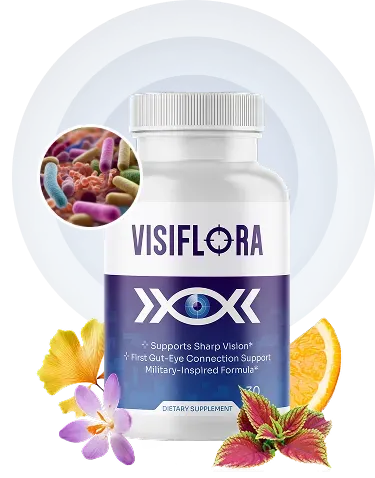
The formula combines carotenoids, vitamins, minerals and botanicals, while the brand promotes a broader “gut-eye” approach. This guide separates that positioning from established evidence and highlights what buyers should verify.
Quick answer
VisiFlora is a once-daily vision health supplement containing eye-related nutrients and botanicals, according to brand materials. Its broad ingredient list may appeal to adults seeking general nutritional support, but most ingredient amounts are not publicly disclosed; zinc is listed at 11 mg. No published clinical trial of the finished formula was found in the sources reviewed. It should therefore be viewed as an optional supplement—not a treatment, substitute for an eye exam or proven solution for screen strain or eye disease.
Key takeaways
- VisiFlora combines carotenoids, antioxidant nutrients, minerals and herbs in one capsule.
- The brand lists zinc at 11 mg, but a complete amount-by-amount Supplement Facts panel was not available on the pages reviewed.
- Research on individual eye nutrients does not prove that this finished formula produces clearer vision or treats an eye condition.
- The product contains beta-carotene and ginkgo, which deserve extra attention for some users.
- Its simple once-daily direction is convenient, but convenience does not replace dose transparency.
- Eye exams, appropriate vision correction and sensible screen habits remain the foundation of vision health.
What is VisiFlora, and who is it intended for?
VisiFlora is marketed as a plant-based dietary supplement for adults interested in everyday eye comfort, retinal and macular nutrition, antioxidant support and the so-called gut-eye connection. The VisiFlora product overview also positions it for people who spend long periods using digital screens or want to support vision as they age.
Those are manufacturer claims, not a diagnosis or promise. A reasonable audience is an adult who already manages the basics—eye care, diet, vision correction and screen habits—and wants to discuss optional supplementation with a clinician.
It is a poor fit for anyone hoping to reverse glaucoma, cataracts, AMD or diabetic eye disease. The National Eye Institute explains that a dilated eye exam can detect eye disease before vision loss occurs.
VisiFlora ingredients: what is actually disclosed?
The brand’s current presentation groups the named VisiFlora ingredients into several categories. The list includes:
- Antioxidants, vitamins and minerals: astaxanthin, vitamins C and E, copper, selenium and chromium.
- Gut-eye and antioxidant compounds: grape-seed extract, rutin, quercetin, taurine and alpha-lipoic acid.
- Botanicals: ginkgo biloba, coleus forskohlii and eyebright.
- Macular and lens-focused nutrients: beta-carotene, marigold-derived lutein and zeaxanthin, zinc, bilberry extract, lycopene and saffron extract.
The brand presentation lists zinc at 11 mg and directs users to take one capsule daily with food. It does not display a complete Supplement Facts panel for every named ingredient. The product is described there as vegan, non-GMO and stimulant-free; buyers who rely on these attributes should request supporting documentation.
Why the missing amounts matter
An ingredient name does not show whether the dose matches one used in research. Missing amounts also make it hard to calculate overlap with multivitamins or other eye products.
Before buying, request the current Supplement Facts and “other ingredients” panels, including quantities, extract standardization and allergen statements.
Potential VisiFlora benefits—and realistic limits
Broad nutritional coverage in one routine
The main practical advantage is convenience: one capsule combines several nutrient and botanical categories. Lutein and zeaxanthin are relevant to macular nutrition, while vitamins C and E provide antioxidant nutrients.
However, ingredient relevance is not product-level proof. No published clinical trial of the complete formula was identified, and results from differently dosed formulas cannot be transferred to VisiFlora.
AREDS2 evidence has a specific audience
Eye-supplement discussions often overgeneralize AREDS2. The National Eye Institute says AREDS/AREDS2 formulas benefited people with intermediate or late AMD—not those without AMD or with early AMD.
These formulas use specified nutrient amounts and are not interchangeable with products that merely share some ingredients.
VisiFlora should not therefore be described as an AREDS2 substitute. A person diagnosed with AMD should ask an ophthalmologist whether an AREDS2 formula is appropriate rather than choosing by marketing language alone.
Screen fatigue requires more than a capsule
Screen-related tiredness often reflects reduced blinking, glare, dry eye or an uncorrected prescription. The American Academy of Ophthalmology’s 20-20-20 approach means looking about 20 feet away for 20 seconds every 20 minutes.
A supplement can accompany such habits, but persistent pain, double vision or blur deserves professional assessment.
The gut-eye concept remains product-unproven
Research into the gut microbiome, inflammation and eye health is developing. That does not establish that this combination improves vision through a gut-mediated pathway.
Until finished-product trials are available, “gut-eye support” remains the brand’s proposed framework rather than a clinically demonstrated benefit.
Safety considerations and limitations
Dietary supplements are not FDA-approved for safety and effectiveness before sale in the same way drugs are. The agency advises careful label reading and professional guidance.
VisiFlora’s ingredient list raises several practical questions:
- Ginkgo: NCCIH notes that ginkgo may increase bleeding risk in people taking anticoagulants such as warfarin and may interact with other medicines.
- Beta-carotene: The National Eye Institute says beta-carotene-containing AREDS formulas are not recommended for current or former smokers because former smokers in the trial had a higher lung-cancer incidence. VisiFlora is different and its dose is undisclosed, but this ingredient warrants medical advice.
- Ingredient stacking: Combining VisiFlora with multivitamins or eye formulas may duplicate zinc, fat-soluble vitamins or botanicals.
- Incomplete label visibility: Undisclosed quantities and inactive ingredients make a full pre-purchase safety assessment difficult.
Pregnant or breastfeeding people, those preparing for surgery, people with medical conditions and anyone taking medicines should consult a doctor or pharmacist first.
A sudden increase in floaters, flashes of light, a curtain-like shadow or sudden loss of vision is not a supplement-shopping problem. The National Eye Institute treats these as possible retinal-detachment warning signs requiring immediate eye care or an emergency-room visit.
How to evaluate a VisiFlora review
Online reviews can describe convenience and personal experience, but they cannot prove effectiveness. Use this checklist:
- Look for disclosure. Is the writer an affiliate, customer or independent clinician?
- Separate experience from evidence. “My eyes felt better” is an anecdote, not proof of causation.
- Check the doses. An ingredient list without quantities tells only part of the story.
- Watch for disease claims. A supplement review should not promise to cure cataracts, glaucoma or AMD.
- Question perfect ratings. Useful feedback includes limitations and inconsistent outcomes.
- Verify current terms yourself. Formula, bottle count, shipping, price and refund conditions can change.
VisiFlora compared with other vision-health options
| Option | Best suited to | Main strength | Important limitation |
|---|---|---|---|
| VisiFlora | Adults considering broad general eye-nutrition support | Many nutrient and botanical categories in one daily capsule | Most ingredient amounts and finished-product clinical evidence are not publicly established |
| Clinician-recommended AREDS2 formula | Certain people with intermediate or late AMD | Defined formula studied in specific AMD populations | Not shown to benefit people without AMD or those with early AMD |
| Single lutein/zeaxanthin product | Buyers seeking a simpler carotenoid-focused option | Easier dose comparison and fewer active ingredients | Does not reproduce AREDS2 evidence and may be unnecessary for some diets |
| Food, eye care and screen-habit plan | Nearly everyone | Addresses nutrition, examinations, correction and daily strain factors | Requires consistent habits and is not a treatment for diagnosed disease |
The right comparison is not “which bottle has the most ingredients?” It is “which option matches my eye status, diet, medicines and clinician’s advice?”
Two hypothetical examples
Hypothetical example 1: the screen-heavy office worker
Maya, 34, notices dry, tired eyes after work. An eye exam identifies glare, infrequent blinking and an outdated prescription as likely contributors.
She improves her workstation first, then asks a pharmacist to compare the complete VisiFlora label with her multivitamin. Her plan addresses likely causes rather than expecting a capsule to compensate for them.
Hypothetical example 2: the older adult with an AMD diagnosis
David, 68, sees lutein, zeaxanthin and zinc and assumes VisiFlora equals AREDS2. His ophthalmologist explains that doses and disease stage matter.
David follows the recommendation for his diagnosis rather than replacing it with a general wellness supplement.
Actionable buying and usage tips
- Obtain the complete current label before paying, not just a marketing ingredient list.
- Compare every amount with your multivitamin, eye supplement and medication list.
- Ask whether independent identity, purity and contaminant testing is available.
- Confirm the capsule count, serving size, delivered cost and exact return conditions.
- If a clinician agrees that the product fits, follow the bottle directions.
- Do not increase the dose to pursue faster results.
- Track tolerance, side effects and everyday comfort; do not use home impressions to monitor eye disease.
- Continue routine dilated examinations and evidence-based screen habits.
Frequently asked questions
Is VisiFlora intended to improve vision?
The brand markets visual clarity and comfort support. Those claims do not prove sharper acuity, and the product will not replace prescription lenses or treatment.
What are the main VisiFlora ingredients?
Brand materials name lutein, zeaxanthin, beta-carotene, zinc, vitamins C and E, astaxanthin, minerals and botanicals including bilberry, saffron and ginkgo. Zinc is listed at 11 mg; most other amounts were not displayed.
Is VisiFlora the same as AREDS2?
No. AREDS2 is a defined, studied formula for specific stages of AMD. VisiFlora has a different and broader ingredient profile, and its accessible materials do not disclose matching doses.
How should VisiFlora be taken?
The brand-facing FAQ says one capsule daily with food. Buyers should follow the current bottle label because online directions can change.
Does VisiFlora treat screen-related eye strain?
No finished-product clinical evidence establishing it as a digital-eye-strain treatment was found. Breaks, blinking, lighting and an accurate prescription are more direct considerations.
Can VisiFlora be combined with other supplements?
Not automatically. The formula may duplicate vitamins, zinc, carotenoids or herbs. A pharmacist or clinician should review the complete labels together.
Who should seek medical advice before taking VisiFlora?
People taking medicines—particularly anticoagulants—current or former smokers, pregnant or breastfeeding people, those awaiting surgery and anyone managing an eye or systemic condition should seek individualized guidance.
How long does VisiFlora take to work?
There is no independently established timeline. Testimonials should not be treated as typical outcomes. Seek an examination for persistent or worsening symptoms.
Conclusion: is VisiFlora worth considering?
VisiFlora offers a convenient, broad mix of nutrients and botanicals associated with the brand’s vision-health and gut-eye positioning. Its strengths are ingredient variety and a simple daily routine. Its major weaknesses are limited dose disclosure and the absence of identified clinical evidence for the finished formula.
For a cautious buyer, the next step is not an impulse order. Request the full current label, compare it with medicines and existing supplements, and discuss it with an eye-care professional or pharmacist.
If those checks align with your needs, VisiFlora may be considered as optional nutritional support—never as a substitute for diagnosis, treatment or routine eye care.
Read more about the Visiflora Supplement