NYC Vet House Calls and What to Expect During a Visit
Description
For many pet owners, getting a pet to a veterinary clinic can be stressful. Some dogs become anxious during car rides. Cats may resist being placed in carriers. Senior pets can have difficulty walking or getting into a vehicle. Pets with chronic health conditions may also find travel uncomfortable.
NYC vet house calls provide an alternative by allowing a veterinarian to visit the pet at home. Instead of traveling to a clinic, the pet receives veterinary attention in a familiar environment. Depending on the provider and the pet’s needs, an in-home visit may include wellness care, medical consultations, chronic illness monitoring, senior pet care, and end-of-life support.
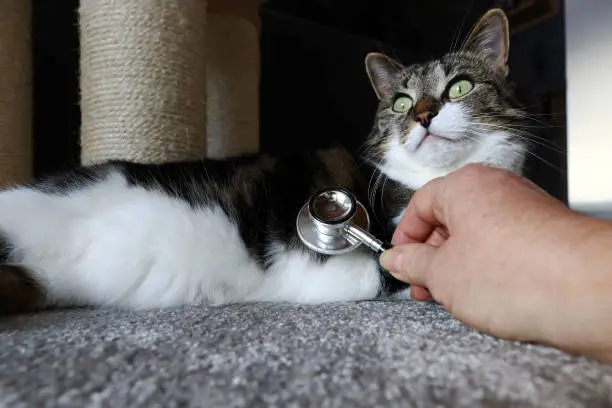
Home veterinary care is not intended to replace every type of hospital or clinic service. Certain emergencies, advanced procedures, and specialized treatments require equipment that is not available during a typical home visit. However, many routine and supportive veterinary needs can be addressed at home.
For families considering this type of care, understanding how home visits work can make the experience easier to plan. It can also help owners determine whether in-home veterinary care is appropriate for their pet.
Pet owners can learn more about the types of care available through Comfort Paws Vet’s in-home veterinary services.
What Is a Vet Home Visit NYC Appointment?
A vet home visit nyc appointment is a scheduled veterinary visit that takes place at the pet owner’s home. The veterinarian travels to the home rather than asking the owner to bring the pet into a traditional clinic.
The appointment usually begins with a conversation about the pet’s health. The veterinarian may ask about symptoms, appetite, drinking habits, medications, previous medical conditions, and recent changes in behavior.
A physical examination follows. The exact examination depends on the pet’s age, health history, and reason for the appointment. The veterinarian may evaluate the pet’s weight, heart and breathing, mobility, hydration, behavior, and general condition.
If additional testing or treatment is appropriate, the veterinarian will explain the options. Some diagnostic procedures can be performed during a home visit. In other situations, the veterinarian may recommend additional care at a veterinary hospital or specialty facility.
The main difference is the setting. Rather than being examined in an unfamiliar environment, the pet remains at home where familiar surroundings can help reduce stress.
Why Do Pet Owners Choose Home Veterinary Visits?
There are several reasons families consider NYC vet house calls. Convenience is one of them. New York City can involve busy streets, traffic, stairs, elevators, and complicated transportation. Moving a sick or elderly animal through these conditions may be difficult.
Stress is another consideration. Some pets become highly anxious when they visit veterinary clinics. They may shake, hide, vocalize, pant, or become difficult to handle. Remaining at home can remove some of the triggers associated with clinic visits.
Home care may also be useful for pets with mobility problems. A dog with arthritis may struggle to walk long distances. A cat recovering from illness may be uncomfortable during transportation.
The home environment also allows owners to have more time for discussion. They can ask questions about symptoms, medications, nutrition, behavior, and long-term care without having to manage the additional stress of traveling with their pet.
What Services Can Be Provided During a Home Visit?
The services available during a home veterinary appointment depend on the veterinarian and the pet’s individual needs. A home visit may include a physical examination and health consultation. Some providers also offer diagnostic testing, medication management, and supportive care.
Wellness care can include monitoring weight, discussing nutrition, evaluating behavior, and identifying changes that may require further attention. Medical visits may focus on symptoms such as reduced appetite, vomiting, mobility problems, changes in energy, or other health concerns.
Home visits can also be useful for pets with ongoing medical conditions. A veterinarian may monitor the pet’s progress and help owners understand whether the current care plan is working.
For senior animals, home veterinary care can provide a practical way to monitor changes associated with aging. Regular assessments may help identify problems earlier and provide guidance on maintaining comfort.
Comfort Paws Vet also provides information about at-home end-of-life care for pets facing serious illness or advanced age.
What Happens Before the Veterinarian Arrives?
Preparation for a home visit is usually straightforward. Pet owners should have information about the pet’s medical history available. If the pet takes medication, keeping a list of the medications and dosages nearby can be helpful.
Owners should also think about what has changed. For example, if a dog has become less active, it can be useful to note when the change began and whether it has become more frequent.
If the appointment is for a cat, keeping the cat in a familiar room may make the visit easier. There is generally no need to place the cat in a carrier unless specifically requested by the veterinarian.
For dogs, choosing a quiet area of the home can help. The pet does not need to be placed in a clinical setting. The goal is to allow the veterinarian to evaluate the animal comfortably and safely.
Owners should also prepare any questions they have. Writing them down can help ensure that important concerns are discussed during the appointment.
What Happens During NYC Vet House Calls?
During nyc vet house calls, the veterinarian generally begins by talking with the owner. This conversation provides important information about the reason for the appointment and the pet’s recent health history.
The veterinarian then examines the pet. Because the appointment takes place in a familiar environment, the animal may behave more naturally than it would in an unfamiliar clinic.
The veterinarian may observe how the pet walks, stands, rests, interacts with family members, and responds to its surroundings. These observations can sometimes provide useful information about mobility and behavior.
After the examination, the veterinarian explains the findings. If the pet needs medication, additional testing, monitoring, or another appointment, the veterinarian discusses those recommendations with the family.
If the pet’s condition requires services that cannot safely be provided at home, the veterinarian may recommend visiting a veterinary hospital. This is an important part of responsible in-home care.
Home Visits for Senior Dogs and Cats
Senior pets often have unique veterinary needs. Aging can affect mobility, appetite, sleep patterns, weight, behavior, and overall activity.
For an older dog with arthritis or weakness, traveling to a clinic may be physically demanding. A home visit allows the veterinarian to assess the pet without requiring a stressful journey.
Cats can also benefit from a familiar setting. Older cats may develop subtle changes in appetite, drinking, grooming, or behavior. These changes can sometimes be overlooked because they develop gradually.
Regular veterinary monitoring can help identify health concerns and provide guidance on maintaining comfort. Owners can also discuss changes to the home environment that may make daily activities easier for an aging pet.
For more information about senior dog care, owners can read the guide on caring for a senior dog and improving quality of life.
Managing Chronic Health Conditions at Home
Pets with chronic illnesses often need ongoing monitoring. Conditions such as kidney disease, arthritis, heart problems, and other long-term illnesses may require regular veterinary evaluation.
In-home care can make follow-up appointments easier for families. The veterinarian can review changes in symptoms, appetite, medication response, mobility, and daily activity.
For example, cats with kidney disease may experience changes in drinking, eating, weight, and energy. Owners can discuss these changes with their veterinarian and determine whether additional evaluation is needed.
The Comfort Paws Vet blog also provides information about kidney failure in cats and when veterinary care is needed.
Home visits may be particularly useful when transportation causes significant stress or when the pet’s condition makes travel difficult.
How Home Visits Can Reduce Anxiety
Stress can affect both pets and their owners during veterinary appointments. A clinic may expose an animal to unfamiliar people, other animals, unusual smells, loud sounds, and unfamiliar handling.
A home environment removes many of these factors. A dog may be able to remain on its own bed. A cat can stay in a familiar room. Owners can remain close throughout the examination.
This does not mean every pet will automatically be relaxed at home. Some animals may still be nervous when being examined. However, the familiar setting can make the overall experience easier for many pets.
Reducing unnecessary stress can also make communication between the veterinarian and owner more comfortable.
Home Veterinary Care for Pets With Mobility Problems
Mobility problems are common in older pets and animals with certain medical conditions. Arthritis, weakness, injuries, and other issues can make transportation difficult.
A pet may need to be carried down stairs or lifted into a vehicle. Even when transportation is possible, the process can cause discomfort.
Home veterinary care avoids much of this movement. The veterinarian can assess the pet where they normally live and observe how they move across familiar surfaces.
For owners, this can provide useful information about daily mobility. They can demonstrate where the pet sleeps, eats, walks, and spends most of the day.
These details can help the veterinarian provide practical recommendations for improving comfort and safety around the home.
Mobile Veterinary Care Beyond New York City
Home veterinary services are not limited to New York City. A mobile vet long island can provide similar convenience for families in eligible areas of Long Island.
Service areas and available treatments vary by provider, so owners should confirm coverage before scheduling an appointment. It is also helpful to explain the reason for the visit so the veterinarian can determine whether the pet’s needs can be safely managed at home.
Mobile veterinary care can be especially useful for senior pets, anxious animals, and families who have difficulty arranging transportation.
For owners outside the city, checking service boundaries before an appointment helps avoid confusion and ensures the veterinarian has the appropriate information before traveling to the home.
End-of-Life Care in the Home
End-of-life care can be one of the most emotional areas of veterinary medicine. When a pet has a serious illness or declining quality of life, families may need help understanding what their pet is experiencing.
A veterinarian can assess factors such as pain, appetite, mobility, breathing, hydration, and interest in normal activities. These observations can help determine whether the pet’s current care plan is still providing comfort.
Hospice care may be appropriate when the focus shifts toward comfort and quality of life. Families can discuss symptom management and other supportive options with their veterinarian.
When euthanasia is being considered, a home setting can provide privacy and familiarity. The family does not have to transport the pet to a clinic during an already difficult moment.
The guide to at-home pet euthanasia services provides additional information about what families may expect.
Understanding Quality of Life
Quality of life is an important consideration when caring for pets with serious or chronic illness. It involves more than a single symptom.
Owners may consider whether their pet is eating, drinking, resting comfortably, moving around, interacting with family members, and participating in activities they previously enjoyed.
Changes should be considered over time. A single difficult day does not always provide a complete picture of a pet’s condition. However, ongoing decline can indicate that the current care plan needs to be reassessed.
A veterinarian can help owners evaluate these changes objectively. The quality of life examination guide explains how veterinary assessments can help families understand their pet’s condition.
When a Home Visit May Not Be Appropriate
Although home veterinary care is useful for many situations, it is not suitable for every medical problem.
A pet experiencing a severe emergency may need immediate access to hospital equipment, advanced imaging, surgery, oxygen support, or other specialized treatment.
Examples of emergencies can include severe breathing difficulty, major trauma, uncontrolled bleeding, collapse, or other life-threatening symptoms.
In these situations, owners should seek immediate veterinary attention rather than waiting for a routine home appointment.
A responsible mobile veterinarian can also advise when a pet needs hospital-based care. Knowing the limitations of home veterinary services helps owners choose the safest option for their animal.
How to Choose an In-Home Veterinarian
When selecting a provider for nyc vet house calls, pet owners should consider the veterinarian’s qualifications, experience, service area, available services, and approach to communication.
It is useful to ask whether the veterinarian provides routine care, chronic disease management, senior care, hospice support, or end-of-life services. Owners should also understand what happens if the pet requires treatment that cannot be performed at home.
Clear communication is important. Pet owners should feel comfortable discussing symptoms, asking questions, and understanding treatment recommendations.
Learning about the veterinary team before scheduling an appointment can also help families decide whether the service fits their needs. Information about Comfort Paws Vet’s approach can be found on the About Us page.
Building a Long-Term Veterinary Relationship
A home veterinary appointment does not have to be a one-time experience. For some families, in-home care becomes part of a long-term veterinary plan.
Regular visits can help establish a detailed understanding of the pet’s health. The veterinarian becomes familiar with the animal’s normal behavior, medical history, medications, and changing needs.
This can be especially valuable for senior pets and animals with chronic conditions. Consistent monitoring may make it easier to recognize meaningful changes.
A long-term relationship also gives owners an opportunity to discuss preventive care and future planning before a situation becomes urgent.
Preparing for Your First Home Visit
If you have never used home veterinary care before, it is normal to have questions. Owners may wonder where the examination will take place or whether they need to prepare their pet in a particular way.
In most cases, the best preparation is simply to keep the pet comfortable and have relevant medical information available.
Avoid making major changes to the pet’s routine before the appointment unless instructed by the veterinarian. Familiar surroundings can provide useful information during the examination.
Owners should also be prepared to discuss recent changes. Information about appetite, drinking, bathroom habits, sleep, activity, and behavior can help the veterinarian form a more complete picture of the pet’s health.
Final Thoughts
Nyc vet house calls provide an option for families who want veterinary care delivered in a familiar home environment. Home visits can reduce travel-related stress and make veterinary appointments easier for pets with anxiety, mobility problems, chronic conditions, or advanced age.
A vet home visit nyc appointment may include wellness assessments, medical consultations, senior pet care, chronic disease monitoring, and supportive end-of-life services. The exact services depend on the veterinarian and the pet’s individual needs.
For families outside the city, a mobile vet long island may provide similar home-based care depending on the service area.
Home veterinary care is not appropriate for every situation, especially serious emergencies requiring hospital equipment. However, when home care is suitable, it can provide a comfortable and practical way to support a pet’s health.
The most important step is to discuss your pet’s individual needs with a qualified veterinary professional. With appropriate planning and clear communication, veterinary care at home can help families provide thoughtful support throughout their pet’s life.
FAQs
Q: What are NYC vet house calls?
A: NYC vet house calls are veterinary appointments performed at a pet owner’s home. Depending on the provider, services may include wellness examinations, medical consultations, senior pet care, chronic condition monitoring, and end-of-life support.
Q: What happens during a vet home visit nyc appointment?
A: The veterinarian usually begins by discussing the pet’s health history and current concerns. They then perform an examination and explain their findings. Depending on the situation, they may recommend treatment, monitoring, additional testing, or referral.
Q: Are home veterinary visits good for senior pets?
A: Home visits can be useful for senior pets because they eliminate the need for stressful transportation. Older animals with arthritis, weakness, anxiety, or chronic illness may be more comfortable being examined in familiar surroundings.
Q: Can a mobile vet long island provide end-of-life care?
A: Some mobile veterinarians provide hospice and end-of-life services while others focus on routine and medical care. Families should ask the provider which services are available and whether their location falls within the service area.
Q: When should my pet go directly to a veterinary hospital?
A: Severe breathing difficulty, major trauma, uncontrolled bleeding, collapse, and other serious emergencies may require immediate hospital care. These situations can require equipment and treatment that are not available during a routine home veterinary visit.