From Kitchen Scraps To Soil Amendment Under 24 Hours
Description
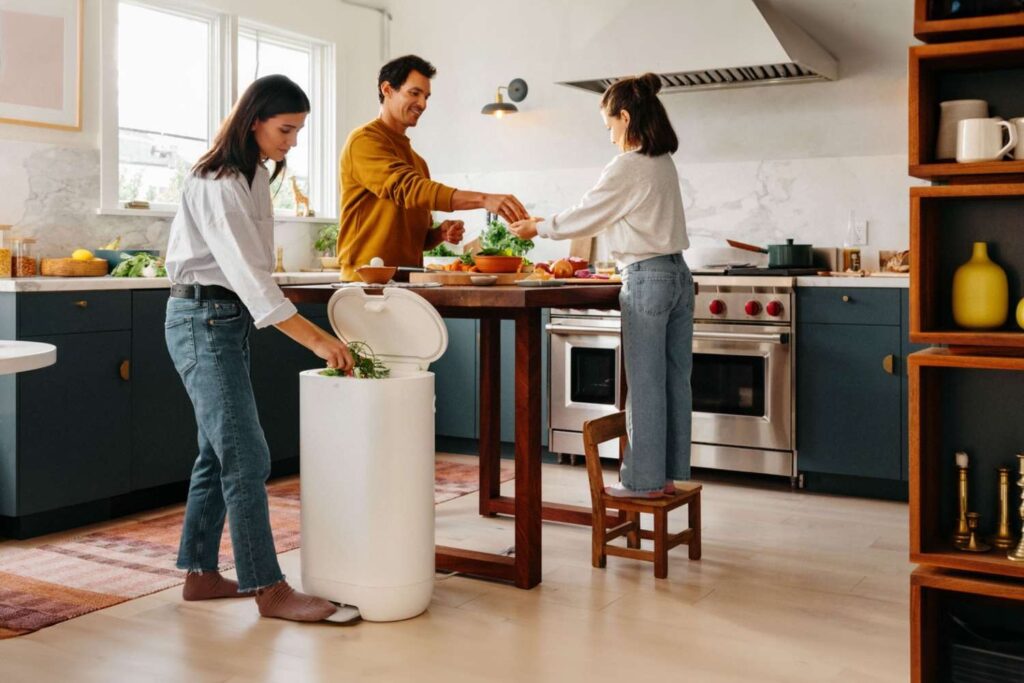
There is a small kind of magic in watching dinner scraps disappear. You scrape carrot ends, coffee grounds, and a few wilted spinach leaves into a bin on your counter, close the lid, and walk away. By the time you wake up the next morning, what was a damp pile of leftovers has become something dry, dark, and crumbly that smells faintly of earth. An electric countertop composter makes that overnight change possible, and it does it without the weeks of waiting a backyard pile demands.
Traditional composting is slow on purpose. Microbes break material down at their own pace, and a cold outdoor pile can take months to finish. A countertop machine compresses that timeline with heat, grinding, and airflow, finishing a batch in hours rather than seasons. For anyone short on space or patience, that speed changes everything.
What Happens Inside A Single Cycle
Once you load your scraps and start a cycle, the machine works in stages. It warms the contents to drive out moisture, grinds them into smaller pieces, and keeps the mixture moving so it heats evenly. Water is the enemy of quick breakdown, so much of the early work is simply drying. What remains is a reduced, lightweight material that looks a little like coffee grounds and stores easily until you are ready to use it.
The output is a soil amendment, not finished garden compost in the traditional sense. It is a nutrient-rich material you mix into soil to feed plants, and a countertop electric composter produces it in a fraction of the time an outdoor pile would take, with the exact texture depending on the mode you choose.
The 24-Hour Timeline
A full cycle generally runs anywhere from two hours to a full day, depending on what you put in and how much. A light load of soft peels finishes fast. A heavier, wetter load takes longer because more moisture has to leave before grinding can do its job. Most cycles settle somewhere in the middle, quietly running while you sleep or work.
The early hours focus on heating and moisture removal. The middle stretch is where grinding and mixing reshape the material, and the final hours cool and finish the batch so it is ready to scoop out. Because the process is enclosed, your kitchen stays free of the sour smell that open scraps usually bring.
Why Speed Solves The Scrap Pile-Up Problem
Anyone who has tried to save scraps for composting knows the real obstacle. A container on the counter fills quickly, starts to smell, and attracts fruit flies before you ever get it outside. Speed removes that friction. A countertop electric composter processes today’s scraps before tomorrow’s arrival, so nothing sits long enough to turn unpleasant.
Many machines also let you add scraps partway through a cycle and adjust timing based on the weight inside. That means you are not forced to wait for a batch to end before dealing with the next handful of peels.
What Speed Does Not Mean
Fast does not mean unlimited. These machines have a capacity, and overloading slows them down or interrupts a cycle. Some materials also do not belong inside, including large amounts of meat, oily foods, hard bones, and anything woody or synthetic. Knowing the limits keeps each batch clean and the output useful.
- Load weight: heavier batches run longer than light ones.
- Scrap type: soft produce finishes faster than dense or fibrous waste.
- Moisture: Wet loads need more drying time before grinding.
- Selected mode: rapid drying settings finish sooner than modes that preserve microbes.
From Scraps To Soil By Morning
The full cycle is simple. Scraps go in after dinner. Heat drives out moisture. Grinding reduces the material to a fine, dry texture. By morning, what was a damp pile of kitchen waste is now a nutrient-rich soil amendment ready to feed houseplants, garden beds, or a potting mix. No turning, no balancing, no months of waiting.
A countertop electric composter compresses what used to be a seasonal, outdoor process into an overnight routine that fits in any kitchen. The output is consistent, the process is clean, and the timeline works around your schedule rather than the other way around. For anyone who has wanted to compost but couldn’t justify the space, the smell, or the wait, 24 hours changes the math entirely.