Flat or Rolled? How Shippers Pick Between Two Common Mail Formats
Description
Every mail-class shipment goes into one of two containers. Flat and rigid, or rolled and cylindrical. Documents, photos, thin apparel, and certificates fit the first category. Posters, blueprints, engineering drawings, and canvas prints fit the second. Picking the wrong container leads to bent corners, creased prints, and customer returns that show up on the fulfillment report weeks later.
Shippers who move mail-class product regularly benefit from stocking mailing envelopes and mailing tubes online in standing inventory, along with a simple decision rule that matches each product to the right format from the start.
When Flat Wins: The Case for Envelopes
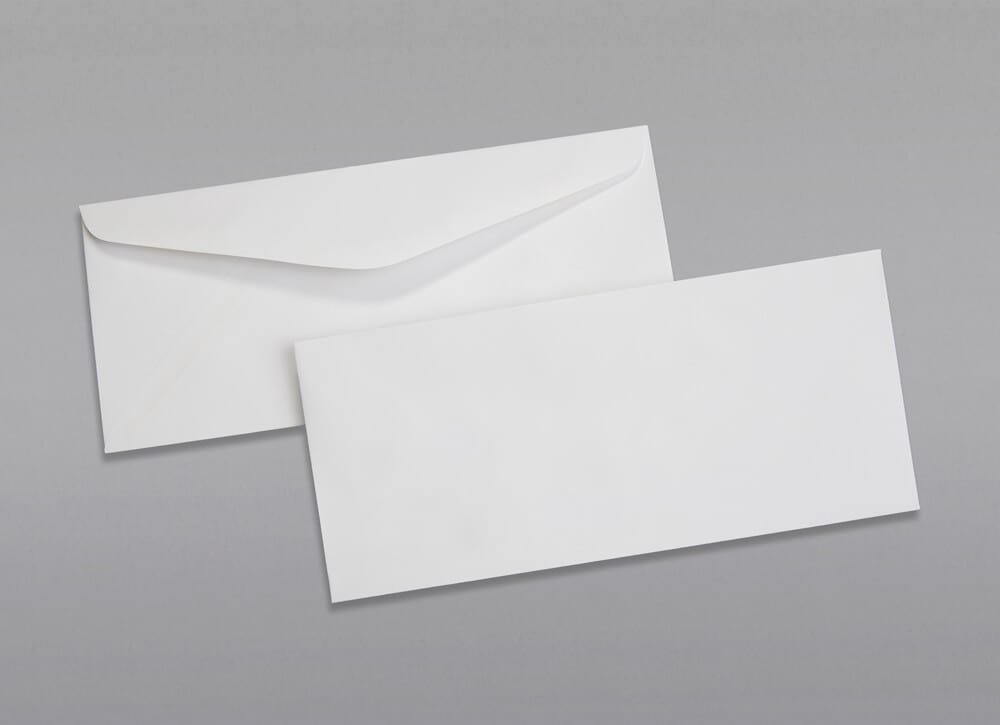
Papers, photos, thin documents, and slim apparel accessories move better inside a rigid or padded envelope than inside a tube. Envelope shipments stack flat inside mail bins and delivery vehicles, which reduces handling damage. A well-sized envelope also fits standard letter and flat mail postage classes, which lowers per-unit postage sharply.
Rigid stay-flat mailers made from chipboard protect photos, certificates, and printed marketing materials from bending. Padded mailing envelopes with kraft or poly exteriors add cushioning for jewelry, phone accessories, and small electronics. Sizes typically run from 4×6 inches for small notes and jewelry up to 17×21 inches for large flat items and tablet-sized documents.
The pick within the envelope category comes down to fragility. Fragile items warrant a rigid stay-flat or padded style. Non-fragile flat items can move in lightweight kraft or poly.
When Rolled Wins: The Case for Tubes
Anything longer than 17 inches that requires folding to fit a flat envelope belongs in a mailing tube. Posters, blueprints, art prints, engineering drawings, and rolled fabrics all ship better rolled than folded. Shippers who order mailing tubes online get access to a wider range of diameters and lengths than most local suppliers stock, letting them match tube size to product without settling for the closest available option.
Kraft tubes in 2, 2.5, 3, and 4-inch diameters cover most product footprints. Lengths run from 12 inches for small rolled items up to 48 inches for architectural drawings and large posters. Plastic end caps seal each end tightly, preventing dust ingress and moisture damage during outdoor delivery or long transit routes.
Practical Sizing Notes Across Container Formats
Whichever container gets picked, size matching cuts the risk of damage and lowers postage cost at the same time. The most common sizing errors show up in a familiar pattern:
- Using an envelope one size too small, forcing the packer to bend the contents
- Using a tube diameter too tight for the rolled item, which puts stress on the roll
- Choosing an oversized container that lets the product slide and get creased in transit
- Skipping padding inside a rigid envelope when the item is small enough to slide around
- Buying only one size in each category, forcing improvisation on odd-shaped items
A working supply room usually stocks three envelope sizes and three tube diameters at minimum. That baseline covers most product footprints while keeping inventory manageable across the year.
Where Postage Rules Change the Math
USPS, UPS, and FedEx all apply oversize surcharges and dimensional weight fees to shipments outside standard dimensions. Long tubes over 36 inches often trigger surcharges on USPS routes. Flat envelopes under 3.5 ounces and within specific dimensions qualify for cheaper first-class flat mail rates.
Checking the current postage class rules against typical shipment dimensions before placing a first bulk order helps buyers pick container sizes that fall inside the cheaper postage tiers. That single check can lower average postage per shipment by twenty to thirty cents on high-volume mail-class operations.
The Sum of Small Container Decisions
Picking the right container for each mail-class shipment looks like a small decision. Multiplied across thousands of shipments per year, the container choice shapes damage rates, postage cost, and customer satisfaction on every order that leaves the door. Ordering a smart working set of envelopes and tubes turns those individual decisions into repeatable practice.
The upfront work is minimal. A short audit of what typically ships, a review of postage class rules, and a first order that stocks the right sizes across the envelope and tube categories. The improvements show up in damage rates and postage cost within the first quarter of the switch, and often continue to grow through the year.