Digital Marketing ROI: Metrics, & How to Measure
Description
Understanding how to maximize returns is the key to any successful business. Measuring ROI of digital marketing precisely can help you determine if the applied strategies are paying off positively. You could be focusing only on the ROI of digital advertising or overall online marketing ROI, tracking the effectiveness of digital marketing campaigns is vital.
As per HubSpot’s recent reports, 73% of marketers said measuring ROI in digital marketing is their top priority, highlighting the importance of performance metrics.
If you need assistance in digital marketing for the growth of your business, Contact us. We’ll help you with your journey.
IT VERTICALS is a trusted digital marketing agency, customizing strategies to help your business optimize campaigns for higher ROI.
Also, read our blogs: Top 10 SEM/PPC Strategies for Better ROI
Table of Contents
- What is ROI in Digital Marketing?
- High ROI Digital Marketing Channels to Invest In
- How to Calculate ROI in Digital Marketing
- What Defines a Good ROI in Digital Marketing?
- The Best Time to Evaluate ROI for Digital Marketing Campaigns
- How the Conversion Funnel Impacts ROI in Digital Marketing
- Effective Tactics for Improving Your ROI
- Other Key Digital Marketing Metrics to Track
- FAQs
- Conclusion
- Recent Posts
What is ROI in Digital Marketing?
ROI in digital marketing evaluates the profitability and effectiveness of your digital marketing campaigns relative to the cost of your investment. In simple terms, it tracks the return you earn from the money invested on your digital marketing efforts. It helps businesses analyze if their digital marketing efforts are worth the allocated resources, providing clarity on areas of improvement. By calculating the ROI of digital marketing, businesses gain insights into the most cost-effective marketing channels. It is crucial to measure your marketing ROI with the right metrics to make sure that your digital marketing campaigns are yielding the best returns.
High ROI Digital Marketing Channels to Invest In
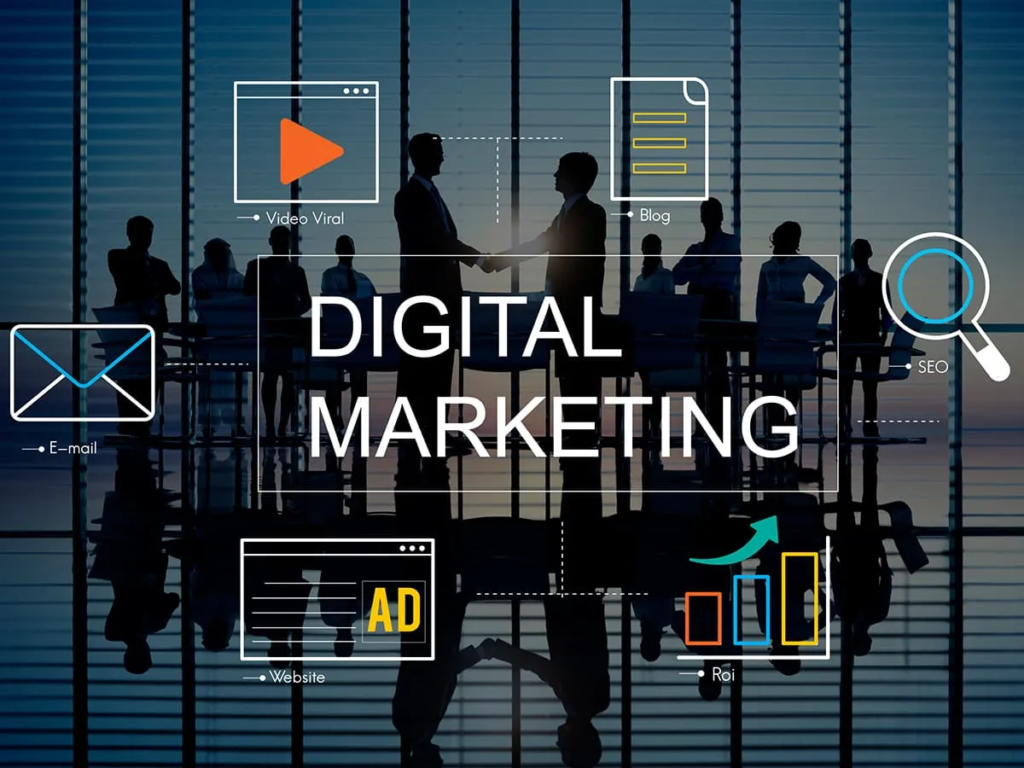
It is highly important that you invest in the right marketing channels. Highly effective marketing channels can greatly influence your digital marketing ROI. As per DesignRush, channels like email marketing, content marketing, and SEO tend to deliver high ROI on marketing campaigns due to their ability to bring in organic traffic and long-term customer engagement.
Moreover, paid advertising techniques, such as PPC campaigns and social media ads, offer targeted reach and huge returns when leveraged accurately. These digital marketing strategies are known for their ability to generate traffic and conversions efficiently. This makes them an essential component for achieving positive ROI in digital marketing. For optimal results, businesses must prioritize those marketing channels that align with their target audience’s behavior and preferences.
How to Calculate ROI in Digital Marketing
In order to calculate ROI in digital marketing, you need to subtract the total investment cost from the revenue generated by the campaign and then divide that by the cost of the campaign. Next, multiply the result by 100 to get a percentage.
For instance, if you spend $500 on campaigns and make $1500 in revenue, your digital marketing ROI would be 200%. This simple yet powerful formula helps businesses assess the financial success of their marketing campaigns.
The formula is:
(Net Profit / Total Digital Marketing Costs) x 100 = ROI
Following are the particular methods and tools to track, measure, and optimize the effectiveness of your digital marketing campaigns, ultimately helping you calculate and improve your marketing ROI.
Using UTM Parameters to Track Links
UTM parameters help you in tracking specific campaigns, sources, and mediums, providing more precise data about where conversions are coming from. By utilizing UTM tags in URLs, you can analyze which sources of traffic contribute most to your ROI of digital marketing, allowing for more accurate analysis of ROI.
Setting Up Tracking Pixels for Your Digital Campaigns
Tracking pixels are crucial for gathering data on user behavior. By leveraging these pixels in landing pages, businesses can measure conversions, retarget customers, and determine which digital marketing campaigns bring the most ROI. This helps in refining your marketing ROI measurement and improving upcoming marketing campaigns.
How to Optimize Your Business with a CRM Tool
Using a CRM tool optimizes your digital marketing efforts by automating communications, tracking interactions, and organizing customer data. Integrating CRM system insights into your campaigns helps improve digital marketing ROI. This is because it allows for targeted marketing efforts based on customer behavior and preferences, making sure of a more personalized and effective approach.
What Defines a Good ROI in Digital Marketing?
A good ROI in digital marketing depends on several factors such as your industry, campaign goals, and investment size. Generally, an ROI of 5:1 (or 500%) is considered a strong performance. However, each business may have different benchmarks depending on its objectives. While online marketing ROI can vary, aiming for a positive return above the break-even point is essential. Keep in mind that digital marketing ROI is not just about generating profits but also about creating long-term customer loyalty and brand value. Consistently positive ROI indicates that your efforts are driving sustained growth.
The Best Time to Evaluate ROI for Digital Marketing Campaigns
To determine the ROI marketing success, evaluating campaigns at the right time is crucial.
High Funnel
In the high funnel, you focus on raising awareness and attracting leads. ROI may not be immediate, but it’s critical to assess engagement metrics to gauge interest and future conversion potential. At this stage, you’re building brand recognition and trust, setting the foundation for future interactions. By monitoring metrics such as impressions and click-through rates, you can evaluate whether your efforts are attracting the right audience to move them further down the funnel.


Mid Funnel
At this stage, evaluating marketing ROI helps you determine how effectively your campaign nurtures leads, whether through content or retargeting efforts. The goal is to build deeper relationships with potential customers by addressing their pain points and providing solutions. Engagement metrics like time on page and social interactions become vital in understanding how well you are resonating with your audience. With effective nurturing, this phase sets up the low funnel for successful conversions.
Low Funnel
Finally, in the low funnel, you’ll see direct conversions, and the ROI marketing digital is easiest to calculate. Assess how much revenue the campaign generated compared to its cost. At this point, your prospects are close to making a decision, and the focus is on closing the sale. Offering time-sensitive promotions, personalized messages, or easy checkout processes can significantly boost ROI in digital marketing at this stage.

How the Conversion Funnel Impacts ROI in Digital Marketing
The conversion funnel significantly impacts ROI in digital marketing by dictating how resources are allocated across various stages of the customer journey. A well-defined funnel can help businesses focus on the right digital marketing ROI strategies at each stage. At the awareness stage, campaigns may not yield immediate revenue but are crucial for driving traffic. As customers move down the funnel, conversion tactics become more effective, enhancing the ROI digital marketing as you focus on converting prospects into loyal customers. By customizing strategies to each stage, businesses maximize their ROI for digital marketing.
Effective Tactics for Improving Your ROI
Here are the effective tactics for improving ROI for digital marketing:
- Optimize Ad Targeting – Make sure that your ads reach the right audience to maximize relevance and efficiency.
- Refine Your SEO Strategy – Increase organic traffic and achieve long-term growth with minimal ongoing ad spend.
- Implement Email Marketing Campaigns – Retarget customers. Bring in repeat business by personalizing outreach to engage existing customers.
- Leverage Social Media Platforms – Enhance brand visibility and boost engagement to improve conversion rates.
- Combine Content Marketing with PPC Campaigns – Create a comprehensive strategy that delivers both short-term and long-term ROI digital marketing.
- Regularly Test and Adjust Strategies – Continuously optimize your campaigns based on real-time data for better performance and ROI.
Other Key Digital Marketing Metrics to Track
While marketing ROI calculation is essential, several other metrics are equally important in assessing overall campaign performance. Key metrics include:

Impressions
Impressions track how many times your content or ads were viewed, indicating the potential reach of your campaign. A high number of impressions means that your ad or content is being exposed to a large audience. However, it’s important to remember that impressions alone don’t guarantee conversions—engagement and follow-through are also crucial. Analyzing impressions alongside other metrics will give you a fuller picture of your campaign’s effectiveness.
Click-through Rate
The click-through rate (CTR) measures how often users click on your ad or link, helping assess ad effectiveness and engagement. A higher CTR suggests that your ad or content resonates well with your audience and encourages action. If your CTR is low, it may indicate that your ad copy, visuals, or targeting need adjustment. This metric plays a key role in assessing whether your messaging is compelling enough to bring in traffic.


Engagement Rate
Engagement rate tells you how actively users interact with your content, whether through likes, shares, or comments. A higher engagement rate generally signals that your audience finds your content valuable and is willing to interact with it. It also gives insight into brand loyalty and can result in organic reach as people share your content with others. By increasing engagement, you create stronger connections with your audience, leading to higher conversion potential.
Customer Lifetime Value
Customer lifetime value (CLV) helps you understand the long-term value a customer brings, aiding in the calculation of ROI in digital marketing over time. CLV measures the total revenue you can expect from a customer throughout their relationship with your brand. A higher CLV means that your customers are likely to stay longer, purchase more, and provide better returns over time. By focusing on increasing CLV, businesses can optimize their digital marketing strategies for improved ROI and sustained success.

FAQs
Conclusion
Tracking digital marketing ROI is crucial for any business striving for growth. By understanding how to measure ROI digital marketing, businesses can refine their digital marketing strategies and make informed decisions.Investing in tools and methodologies to calculate and improve ROI in digital marketing makes sure that your campaigns are not only efficient but also result in substantial business growth. Let IT Verticals, a trusted digital marketing agency, help you unlock the true potential of your digital marketing efforts for high ROI and sustainable growth.