Castration Instrument: Professional Veterinary Surgical Tool
Description
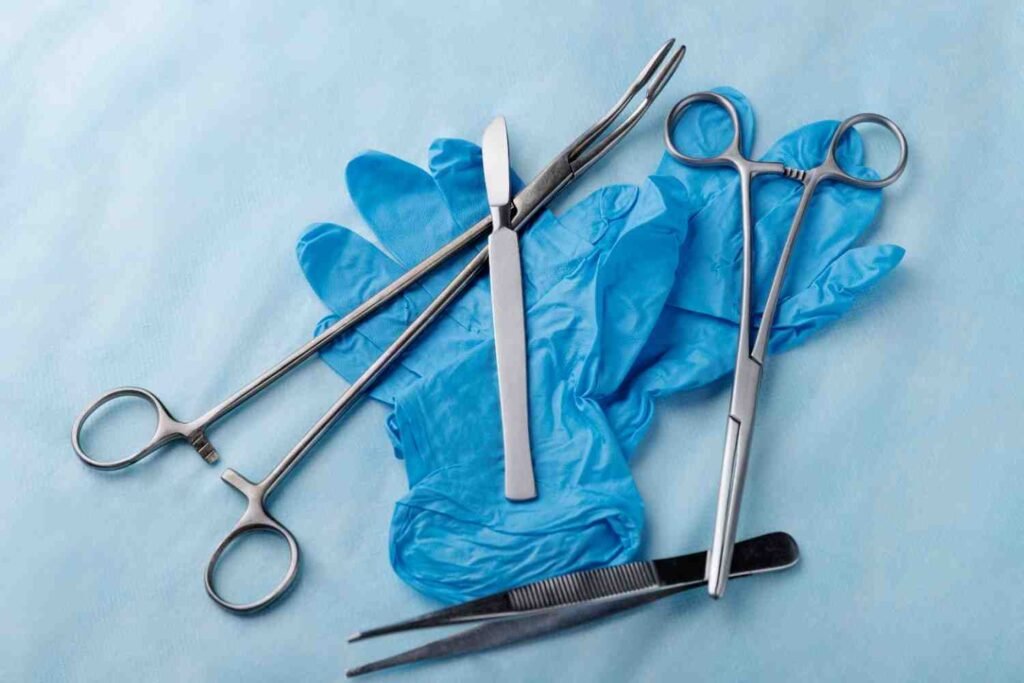
A Castration Instrument is a specialized veterinary surgical tool designed for use by qualified veterinary professionals during animal castration procedures. These instruments are commonly used in veterinary clinics, animal hospitals, livestock practices, farms, and professional animal healthcare environments.
Different types of castration instruments are available depending on the animal species, size, anatomy, veterinary procedure, and professional requirements. Common instruments in this category may include emasculators, castration forceps, surgical clamps, scissors, and other specialized veterinary surgical tools.
A high-quality Castration Instrument is designed to provide durability, controlled handling, reliable mechanical performance, and suitability for professional veterinary use.
What Is a Castration Instrument?
A Castration Instrument is a specialized tool intended for veterinary procedures involving animal castration. The exact function depends on the instrument’s design and intended application.
For example, a Veterinary Emasculator is a heavy-duty instrument designed for specific professional castration procedures. Other instruments may be designed for grasping, clamping, cutting, or handling tissue during veterinary surgery.
The appropriate instrument should always be selected according to:
- Animal species
- Animal size
- Anatomical requirements
- Intended veterinary procedure
- Instrument design
- Manufacturer’s instructions
- Professional veterinary standards
Benefits of Castration Instruments
1. Designed for Professional Veterinary Use
Castration Instruments are developed for specific veterinary and animal healthcare applications. Their size, shape, and mechanical design may vary depending on the intended animal species and procedure.
2. Strong and Durable Construction
Professional veterinary instruments are often manufactured from high-quality stainless steel or other suitable materials. Durable construction helps provide reliable performance and can support repeated use when the instrument is designed for reuse and properly maintained.
3. Controlled Handling
Ergonomic handles, durable hinges, and specialized working ends can help qualified veterinary professionals maintain appropriate control during procedures.
4. Available in Different Designs
Different animals require different instruments. Castration Instruments are available in various sizes, patterns, and configurations for professional veterinary applications.
5. Suitable for Livestock Applications
These instruments are commonly used in professional veterinary settings involving livestock and large animals, depending on the instrument type and intended use.
6. Professional Instrument Compatibility
A Castration Instrument can form part of a complete veterinary surgical instrument set alongside:
- Veterinary forceps
- Surgical scissors
- Needle holders
- Surgical clamps
- Retractors
- Obstetrical instruments
- Animal examination tools
Types of Castration Instruments
Veterinary Emasculator
A Veterinary Emasculator is a heavy-duty instrument used by qualified veterinary professionals in specific castration procedures. Depending on the design, it may provide crushing and cutting functionality.
Castration Forceps
Castration forceps are specialized instruments designed for particular veterinary applications. Different patterns may be available according to the animal species and procedure.
Surgical Clamps
Veterinary surgical clamps may be used for controlled grasping or clamping during appropriate procedures.
Veterinary Surgical Scissors
Specialized surgical scissors can be included in veterinary surgical sets for appropriate cutting applications.
Other Veterinary Surgical Instruments
A complete veterinary surgical instrument collection may include additional specialized tools depending on the procedures performed by the veterinary practice.
Key Features of a Quality Castration Instrument
A professional Castration Instrument may include:
- Heavy-duty construction
- Precision-manufactured working ends
- Strong and reliable hinge mechanisms
- Ergonomic handles
- Suitable instrument length
- Durable materials
- Corrosion-resistant construction
- Reliable mechanical performance
- Reusable or single-use design depending on the product
- Compatibility with appropriate professional cleaning and maintenance procedures
Castration Instruments for Livestock
Livestock veterinary care often requires specialized instruments suitable for larger animals and demanding professional environments.
Veterinary professionals working with cattle, horses, sheep, goats, and other livestock may require instruments with different lengths, jaw configurations, and mechanical strength.
Selecting the correct instrument depends on the animal and intended veterinary procedure. Professional judgment and manufacturer recommendations are important when choosing equipment.
Why Choosing the Right Castration Instrument Matters
Animal species vary significantly in anatomy and size. Therefore, veterinary professionals should carefully select the instrument appropriate for the specific application.
Important factors include:
- Animal species
- Animal size
- Intended procedure
- Instrument type
- Working-end design
- Jaw configuration
- Handle design
- Material quality
- Durability
- Reprocessing requirements
A properly selected instrument helps ensure that the equipment is suitable for its intended professional use.
Cleaning and Maintenance
Reusable Castration Instruments require appropriate cleaning and maintenance.
General instrument care may include:
- Remove visible contamination after use.
- Clean the instrument according to the manufacturer’s instructions.
- Inspect the working ends for damage or wear.
- Check hinges and moving parts.
- Ensure proper alignment and smooth operation.
- Dry the instrument completely.
- Apply instrument lubricant when recommended.
- Sterilize or disinfect according to validated procedures.
- Store the instrument in a clean and dry environment.
Instruments with visible damage, corrosion, excessive wear, or mechanical problems should be removed from service and appropriately evaluated.
Why Quality Matters
Veterinary surgical instruments must provide reliable performance in professional environments. High-quality construction can support better durability, mechanical reliability, and controlled handling.
A quality Castration Instrument should have properly manufactured working ends, reliable joints, and durable materials suitable for its intended use.
Regular inspection and proper maintenance are important for maintaining instrument performance and extending the usable service life of reusable instruments.
Professional Veterinary Use
Castration Instruments are intended for trained and qualified veterinary professionals.
Their selection and use should follow:
- Professional veterinary standards
- Animal welfare requirements
- Applicable regulations
- Manufacturer’s instructions
- Appropriate infection-control and hygiene procedures
These instruments should only be used for their intended purpose by individuals with appropriate training and experience.
Conclusion
A Castration Instrument is an important part of professional veterinary surgical equipment. Different types of instruments, including Veterinary Emasculators, Castration Forceps, Surgical Clamps, and other specialized veterinary tools, are available for different animal species and professional applications.
Choosing a durable, well-designed, and appropriately sized instrument is essential for professional veterinary use. With proper cleaning, inspection, maintenance, and adherence to manufacturer instructions, reusable instruments can provide reliable performance in veterinary clinics, animal hospitals, and livestock practices.
For veterinary instrument manufacturers, suppliers, distributors, and professional animal healthcare providers, Castration Instruments remain an important category within a comprehensive veterinary surgical instrument range.