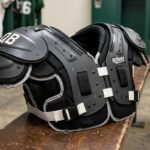
8 Sizing and Safety Issues in Youth Shoulder Pads (and How to Get the Right Fit)
Description
For parents of young football players, safety is always the top priority. While coaches emphasize technique and conditioning, the equipment your child wears acts as the first line of defense against impact. Specifically, youth shoulder pads are arguably the most critical piece of equipment beyond the helmet.
However, many parents fall into the trap of viewing shoulder pads as a “buy it once and use it for years” item. This approach often leads to improper fits that can compromise a player’s comfort, mobility, and, most importantly, their safety on the field. At Tag Sports Gear, we believe that understanding the nuance of equipment fit is just as important as the quality of the gear itself.
In this guide, we’ll explore the eight most common sizing and safety mistakes in youth shoulder pads and provide actionable steps to ensure your athlete is protected, confident, and game-ready.
1. The “Grow Into It” Fallacy
The most frequent mistake parents make is buying shoulder pads that are one or two sizes too big so the child can “grow into them.” While this is a common strategy for casual clothing, it is a safety hazard in contact sports.
If the pads are too big, they will shift upon impact. When a player makes contact, the pads should remain locked into place to distribute the force away from the collarbone and shoulders. If they slide or rotate, that energy is directed onto the player’s body rather than the protective shell. Always buy for the current season, not the next one.
2. Neglecting Neck and Collarbone Coverage
The purpose of the arch in shoulder pads is to bridge over the shoulder and collarbone, transferring impact energy to the chest and back. A common issue arises when the neck opening is too wide or the pads sit too low.
If the neck hole is too large, the pads can slide side-to-side, exposing the clavicle to direct impacts. Conversely, if the pads sit too high, they can interfere with the helmet, causing the player to tilt their head in an unnatural position. When testing gear like the ALT-III youth shoulder pad, ensure the arch sits comfortably over the shoulder tip without constricting the neck.
3. Ignoring Proper Strap Tension
Even the highest-quality gear will fail if it isn’t strapped in correctly. Many young players—or their parents—tend to leave the straps loose for “comfort.” However, loose straps mean the pads are not part of the athlete’s body; they are merely sitting on top of it.
The straps should be snug enough that the pads move with the torso, not independently. If you can easily fit more than two fingers between the pad and the athlete’s body, the straps are likely too loose.
4. Failing to Account for Body Type
Not all youth players are built the same, yet many parents purchase generic “one-size-fits-all” style padding. Linemen have different protection needs than wide receivers or defensive backs.
A linebacker requires pads that offer a wider range of motion without sacrificing coverage, while a quarterback needs a lower-profile design to allow for a natural throwing motion. Always check the manufacturer’s sizing charts, which account for both chest circumference and shoulder width, rather than relying on an age-based guess.
5. Using Damaged or Aged Padding
Equipment has a lifespan. Youth football involves significant wear and tear, and over time, the interior foam—the primary shock-absorbing material—can compress, crack, or degrade.
Before every season, conduct a thorough inspection. If you notice cracks in the plastic shell, torn straps, or foam that has lost its “spring” and feels flat, it is time for a replacement. Safety gear is an investment in your child’s health; using outdated or damaged equipment is a risk that simply isn’t worth taking.
6. Improper Front and Back Plate Alignment
The front of the pad (the sternum plate) and the back (the back plate) should meet near the sides of the torso to provide a 360-degree protective cage. A common safety error occurs when the front and back plates do not overlap or meet properly, leaving the rib cage exposed.
When fitting your athlete, ask them to shrug their shoulders and move their arms. If the plates ride up significantly or leave large gaps near the armpits, the sizing is incorrect for their torso length.
7. The “Comfort vs. Protection” Misconception
Many young athletes complain that pads feel “stiff” or “heavy.” While it is important that a player isn’t so restricted that they cannot perform their duties, there is a necessary trade-off between mobility and protection.
If a player is constantly trying to “adjust” their pads during a game, it is a sign that the fit is wrong. Properly fitted pads should feel like a second skin. If your athlete is struggling to reach up or rotate their torso, check to see if the pads are too long in the torso or if the shoulder caps are too large.
8. Not Seeking Professional Guidance
With so many variables involved, it is easy to become overwhelmed. The eighth and most important rule is to stop guessing. If you are unsure about the fit, consult a professional or reach out to the manufacturer.
At Tag Sports Gear, we prioritize athlete safety above all else. When you choose equipment, ensure you are utilizing the provided sizing guides and reaching out for support if the fit doesn’t seem quite right. A few extra minutes spent ensuring a precise fit can make all the difference in comfort and injury prevention.
Conclusion
Youth football is a fantastic sport that teaches discipline, teamwork, and resilience. As a parent, your role is to ensure your athlete is prepared to play safely. By avoiding these eight common sizing and safety pitfalls, you can ensure that your child is not only protected by the best technology available but also comfortable enough to perform at their absolute best.
Remember, the gear is only as good as the fit. Take the time to measure correctly, check for wear and tear, and prioritize safety over growth potential. Your athlete will thank you when they are out on the field, focused on the game rather than their equipment.
Frequently Asked Questions
Q: How do I know if my child’s shoulder pads are too big?
A: If the pads shift excessively when your child moves, if they slide up into the helmet when the athlete shrugs, or if the shoulder caps extend well beyond the shoulder tips, the pads are likely too big. A proper fit should remain snug to the body during movement.
Q: Should I replace shoulder pads every year?
A: Not necessarily every year, but you should inspect them before every season. If your child has had a significant growth spurt or if the padding foam has become compressed and lost its ability to rebound, it is time for a new set. Always prioritize the current fit over the age of the pad.
Q: Can I use hand-me-down shoulder pads?
A: You can, provided the pads are in excellent condition and they fit your child properly. However, ensure the shell is not cracked, the straps are in good working order, and the internal padding is still firm. If the gear is generic or has been through multiple seasons, the protection level may be compromised.
Related apps