Why Potassium Silicate Paint Outperforms Traditional Masonry Coatings Today
Description
Walk around any neighborhood and you’ll see it. Painted brick that’s peeling. Render that’s flaking away. Walls that looked great two years ago and now look tired. A lot of that comes down to using the wrong coating for mineral surfaces. Potassium silicate paint works differently. Deep inside the masonry, it fuses directly instead of resting on top like thin plastic. Huge difference. This creates a coating that lives within the wall, not just sits on it. Combine with a solid mineral primer, then you’re looking at durability built in, not just a fresh look for now.
Understanding Potassium Silicate Paint?
Truth be told, the term feels complex – and well, it kind of is. A mix using liquid potassium silicate as its glue creates this mineral-based paint. While latex or acrylic kinds sit on top of stone surfaces, here’s what happens instead: a chemical bond forms with materials like brick or concrete. People call that process silicification. Sounds scientific. Really though, it’s straightforward. Microscopic links form between the coating and surface. Decades of building use prove their staying power – sometimes more than a hundred years.
How Breathability Changes Everything
Most folks forget about wet air escaping when they pick outside paints. Structures aren’t sealed boxes. Dampness travels through walls made of rock, bricks, concrete, or stucco. When a tight seal stops that flow, trouble shows up – blisters form, paint flakes off, splits appear. In bad cases, the building itself weakens after years. What seemed like protection turns into harm. Paint made from potassium silicate lets moisture move through it, yet holds up against rain and wind. This trait is why many who repair old buildings pick mineral-based paints again and again.
Mineral Primer Use Before Paint
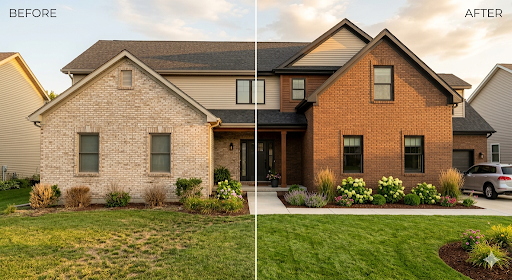
Most paint problems start long before application begins. Strange? Maybe. But accurate. What happens underneath decides much of the outcome. A ready base changes everything. Mineral Primer builds that foundation. Instead of guessing, it sets conditions right. Uneven soak-up rates slow down thanks to this step. Weak concrete gains toughness. Paint sticks better when chemistry and structure align. Potassium silicate needs this kind of welcome. Without primer, outcomes can vary. Yet applying the correct Mineral Primer often leads to longer-lasting results. A steady finish tends to follow when that step isn’t skipped. Sometimes things hold up fine anyway.
Traditional Paint Systems Often Fail
True, regular brick paints work fine sometimes. Yet a good number depend on man-made binders that break down when sunlight hits them too long. These coatings lose flexibility after years pass. Cracks show up. Powder forms on the surface. The film might peel away entirely. When water sneaks behind, damage moves faster. Chemical ties set potassium silicate paint apart – its grip goes deeper than just holding on physically. Unlike regular paints that stick only to the surface, this one becomes part of the material. Because of how it bonds, mineral-based finishes keep working strong for ages, sometimes outlasting typical options by a wide margin.
Color Stays Stable in Tough Environments
Fading drives some people crazy, especially when they’ve seen bold shades turn lifeless. Sunlight just sits there, day after day, doing its slow damage. Dullness creeps in where once there was warmth and depth. Those mineral-based pigments tucked into potassium silicate paints? They stand up to UV rays far better than most. Inorganic means steady – no dramatic shifts under relentless skies. Color stays closer to how it started, even years later. Aging still happens, sure. Nothing skips that process entirely. Yet what slips away slowly isn’t nearly as obvious or fast.
Potassium Silicate Paint Uses
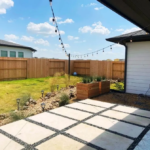
Not just for old buildings at all. Actually, potassium silicate paint sticks really well to brick, lime plaster, cement finishes, stucco, concrete – pretty much any surface made from minerals. Builders choose it on fresh builds. Restorers reach for it when repairing older homes. People fixing up their own houses use it too. Wherever air flow through walls matters, along with long life and a low-key look, these paints start making sense. A lot of folks don’t expect that kind of flexibility from something they thought was only for heritage jobs.
Green perks that matter to today’s homeowners
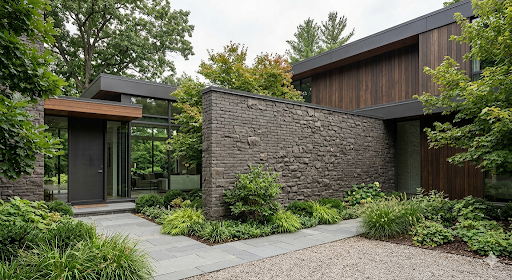
These days, folks notice eco-friendly choices way more than back then. This shift isn’t just passing through. Because it’s made from minerals and usually emits almost no fumes, potassium silicate fits right into greener construction methods. Lasting decades helps too. Longer-lasting paint means fewer touch-ups plus less waste over time. This isn’t flashy – it just makes daily upkeep easier.
surface preparation still determines success
Truth is, a perfect finish can’t fix a messy start. Without removing dust, peeling layers, moss, or weak spots first, even top-grade mineral coatings will fail. People often look for faster ways. Those rarely pay off. Spending real effort on scrubbing and readying the base sets up lasting results. Skip it and everything else hangs by a thread.
Long Term Value Over Upfront Expense
Most folks spot mineral paints and go straight to price tags. True, they get it – potassium silicate runs pricier at first compared with regular wall coatings. But hang on a sec. What really matters pops up after ten, twenty years down the road. When one option needs fresh coats every few years while another just keeps going without fuss, things shift. Over time, those repeat jobs add weight. On big buildings, that math usually swings hard toward minerals.
Professionals Rely on Mineral Coating Tech
Most seasoned builders stick with mineral systems for one clear thing – dependability. When you start with the right Mineral Primer, potassium silicate coating behaves the same way, whether it’s wet, dry, hot, or cold. Fewer surprise visits later? That matters to people who install finishes. Homeowners notice too – the color stays clean, seasons pass, yet the surface still holds its look. These benefits meet where skill meets material, only if the method matches the tech.
Right System for Long Term Results
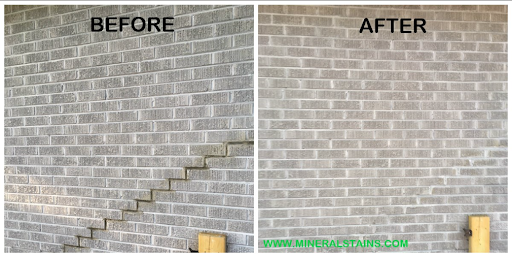
Most walls don’t need identical care. Worth keeping in mind. Depending on how worn the surface is, what it’s exposed to, the material underneath, also what you’re trying to achieve – choices shift. A different setup changes what works. Still, for many masonry surfaces, the combination of Mineral Primer and potassium silicate paint offers an impressive balance of durability, breathability, color retention, and environmental responsibility. It isn’t the flashy option. It’s the practical one. And practical tends to win over time.
Frequently Asked Questions
What is potassium silicate paint used for?
Potassium silicate paint is primarily used on mineral surfaces such as brick, stone, concrete, stucco, and render. It provides a breathable, long-lasting finish that resists peeling and weather damage.
Why is Mineral Primer important before applying potassium silicate paint?
Mineral Primer helps stabilize the substrate, improves adhesion, balances absorbency, and creates ideal conditions for the paint to bond properly with the surface.
Is potassium silicate paint better than acrylic masonry paint?
In many cases, yes. Potassium silicate paint offers superior breathability, UV resistance, and longevity, especially on mineral-based building materials.
Can potassium silicate paint be used on previously painted surfaces?
It depends on the existing coating. Surfaces with synthetic paints may require removal or special preparation before a mineral paint system can be applied successfully.
How long does potassium silicate paint last?
When properly applied over a prepared substrate and Mineral Primer, potassium silicate paint can last significantly longer than many conventional masonry paints, often providing decades of service.
Is potassium silicate paint environmentally friendly?
Generally, yes. Many mineral paint systems contain low VOC levels, use natural mineral ingredients, and require less frequent repainting, reducing environmental impact over time.
Ready to Upgrade Your Masonry Finish?
If you’re looking for a durable, breathable, and professional-grade coating system, don’t settle for ordinary paint. Explore the benefits of potassium silicate paint and Mineral Primer solutions from Mineral Stains and give your masonry surfaces protection built to last. Visit Mineral Stains to start your project today.
Related apps