Why Custom ADA Signs Matter for Every Modern Business
Description
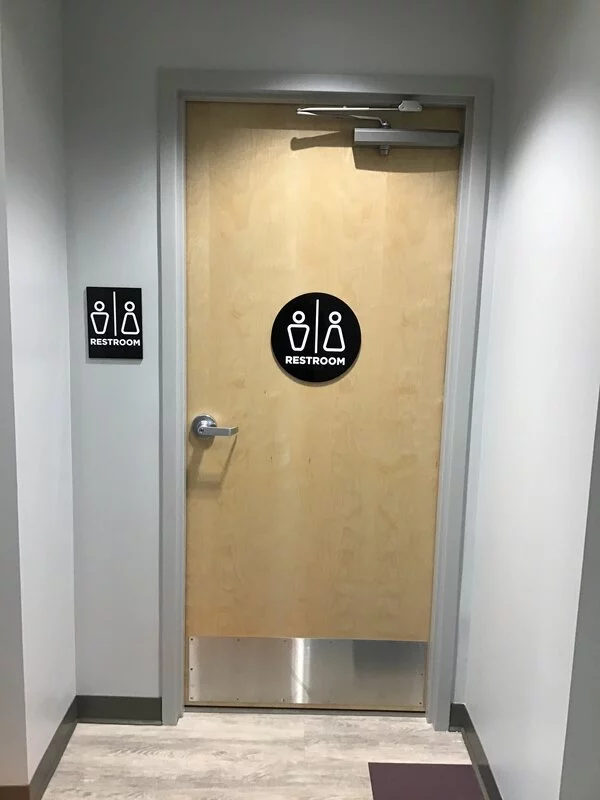
Accessibility is no longer an afterthought in building design. It’s a legal requirement and a reflection of how a business treats every visitor who walks through its doors. Custom ADA signs play a central role in making that commitment visible, guiding people with visual or physical impairments safely and confidently through a space.
For many business owners, ADA signage feels like a box to check off a compliance list. In reality, thoughtful signage does far more than satisfy regulations. It creates a welcoming environment where every customer, employee, and visitor can navigate independently.
What Makes a Sign ADA Compliant
The Americans with Disabilities Act sets specific standards for signage used in public and commercial spaces. These rules cover far more than just adding Braille to a plaque. Compliant signage must follow precise guidelines for placement, contrast, and tactile elements.
Key requirements typically include:
- Raised tactile characters paired with Grade 2 Braille
- High color contrast between text and background
- Non-glare finishes to improve readability
- Specific mounting height and location near doorways
- Sans-serif, easy-to-read fonts of a defined size
Missing even one of these details can result in a sign that looks compliant but technically fails inspection.
Why “Custom” Matters as Much as “Compliant”
Off-the-shelf ADA signs can technically meet legal standards, but they rarely reflect a business’s brand identity. Custom ADA signs solve this problem by blending required accessibility features with a company’s colors, logo, and overall design language.
This balance matters because signage is often one of the first things a visitor notices upon entering a building. A generic plastic placard can feel disconnected from an otherwise polished interior, while a custom-designed sign reinforces professionalism at every touchpoint.
Common Places That Require ADA Signage
Many business owners are surprised by how many areas of a building fall under ADA signage requirements. It’s not limited to restrooms, although that’s the most familiar example.
Typical locations include:
- Restroom doors and family restroom entrances
- Room and suite identification signs
- Stairwell and exit signage
- Parking areas and accessible entrance markers
- Directories and wayfinding signs in larger facilities
Each of these signs must meet its own specific placement and design criteria, which is why working with an experienced signage provider makes the process far smoother.
The Risks of Ignoring ADA Requirements
Failing to install proper signage isn’t just a design oversight. It can lead to fines, lawsuits, and costly retrofitting down the road. ADA complaints are among the most common accessibility-related legal actions filed against businesses each year.
Beyond the legal risk, non-compliant signage sends an unintentional message that accessibility wasn’t a priority during planning. For businesses that value inclusivity, that’s a reputational risk worth avoiding entirely.
Choosing Materials That Last
ADA signs need to withstand frequent touching, since tactile reading depends on physical contact. Durable materials such as acrylic, aluminum, and photopolymer resist wear far better than standard printed signage.
Finish also plays a role in longevity. Matte or textured surfaces reduce glare under fluorescent lighting, which improves readability for visitors with low vision while also keeping the sign looking clean over years of use.
Working With Signage Professionals
Because ADA regulations involve precise measurements and legal nuance, most businesses benefit from partnering with specialists rather than attempting a DIY approach. Experienced providers like Priority Signs and Graphics understand both the technical requirements and the design considerations needed to create signage that is compliant and visually cohesive.
A professional consultation can also catch details that are easy to overlook, such as door swing clearance or mounting height variations between different sign types.
Final Thoughts
Custom ADA signs are far more than a legal formality. They represent a business’s commitment to accessibility, safety, and a positive experience for every visitor. Investing in well-designed, compliant signage protects a business from liability while reinforcing a brand that genuinely welcomes everyone.
Frequently Asked Questions
1. Are custom ADA signs more expensive than standard ones? They can cost slightly more due to custom branding elements, but the difference is usually minor compared to the value added in compliance and aesthetics.
2. Is Braille required on every ADA sign? Not always. Braille is generally required on permanent room identification signs, but requirements vary by sign type and location.
3. How high should ADA signs be mounted? Most regulations require mounting between 48 and 60 inches from the floor, measured to the baseline of the tactile characters.
4. Can existing signage be retrofitted for compliance? In some cases, yes, but full replacement is often more reliable since retrofits can miss specific contrast or tactile requirements.
5. Who enforces ADA signage compliance? Enforcement typically falls under state and local building codes, alongside federal ADA regulations, and violations can result in complaints or lawsuits.