Water Jetters: A Powerful Solution for Professional Cleaning and Drain Maintenance
Description
Modern cleaning and maintenance jobs often require more than traditional tools can provide. When stubborn dirt, grease, blocked pipes, and accumulated debris need to be removed quickly, high-pressure water technology can make a significant difference. Water Jetters are designed to deliver powerful streams of water that break through difficult blockages and clean surfaces efficiently. They are widely used by plumbing professionals, contractors, industrial cleaners, councils, and maintenance teams that need reliable equipment for demanding applications.
What Are Water Jetters?
Water Jetters are professional machines that use high-pressure water to clean, clear, and maintain pipes, drains, machinery, and other surfaces. Instead of relying on mechanical rods or harsh chemicals, these systems use concentrated water pressure to remove unwanted material.
Depending on the machine and application, water jetter equipment can be configured with different pumps, hoses, nozzles, pressure levels, and flow rates. This flexibility makes the equipment suitable for everything from routine drain maintenance to heavy-duty industrial cleaning.
A quality water jetting system can help remove:
- Grease and oil deposits
- Mud and sediment
- Tree roots
- Mineral buildup
- Dirt and sludge
- Food waste
- Scale and other blockages

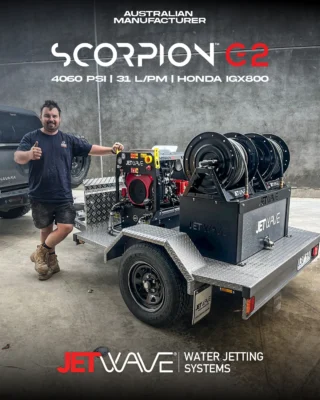
How Water Jetting Technology Works
The basic principle behind water jetting is straightforward. A high-pressure pump pushes water through a specially designed hose and nozzle. The nozzle converts the water flow into powerful jets that can break apart debris and move it through a drainage system.
Different nozzle designs create different spray patterns. Some are designed to penetrate blockages, while others focus on cleaning the internal walls of pipes.
The effectiveness of a water jetting machine depends on several factors, including:
- Water pressure – Higher pressure can provide greater cleaning force.
- Water flow – Adequate flow helps carry loosened debris away.
- Nozzle selection – The correct nozzle improves cleaning performance.
- Hose size and length – These affect water delivery and operating efficiency.
- Pump quality – A reliable pump is essential for consistent performance.
This combination allows professionals to select equipment according to the specific requirements of each job.
Why Use Water Jetters for Drain Cleaning?
Blocked drains can cause serious problems if they are not addressed promptly. Conventional methods may sometimes remove part of a blockage while leaving residue behind. Water jetting takes a different approach by combining pressure and water flow to clean both the obstruction and the surrounding pipe surfaces.
Key advantages include:
- Effective blockage removal: High-pressure water can tackle stubborn materials.
- Thorough pipe cleaning: Jets can wash away deposits attached to pipe walls.
- Reduced chemical use: Water can often perform the cleaning without relying heavily on chemical products.
- Versatile applications: Different nozzles and pressure settings support various tasks.
- Efficient operation: Professional machines can save time on recurring maintenance jobs.
For businesses handling multiple drainage jobs each week, having suitable water jetting equipment can improve productivity and service quality.
Choosing the Right Water Jetter
Not every water jetter is designed for the same type of work. Selecting the right machine requires consideration of the job, operating environment, and frequency of use.
1. Consider the Pressure
Pressure is commonly measured in PSI. A machine with higher PSI can provide substantial cleaning force, but maximum pressure alone should not determine your purchase.
2. Check the Flow Rate
Water flow is equally important. Measured in litres per minute, flow helps transport loosened material away from the blockage.
A machine with a suitable balance of pressure and flow can often deliver better practical results than focusing on PSI alone.
3. Look at Portability
If technicians regularly travel between properties or construction sites, a compact or trailer-mounted system may be preferable. For permanent industrial applications, a larger stationary system could make more sense.
4. Examine Build Quality
Professional equipment may operate for extended periods, so components such as pumps, hoses, frames, engines, and fittings should be designed for demanding conditions.
5. Think About Maintenance
Easy access to serviceable components can reduce downtime. Before choosing a machine, consider replacement parts, servicing requirements, and manufacturer support.
Common Applications of Water Jetting Equipment
Water jetting is not limited to residential drain cleaning. Its ability to deliver controlled high-pressure water makes it useful across many industries.
Plumbing and Drainage
Plumbers use water jetters to clear blocked drains, maintain sewer lines, and remove accumulated deposits from pipes.
Industrial Cleaning
Factories and industrial facilities may use high-pressure water systems to clean equipment, floors, tanks, production areas, and other surfaces.
Commercial Property Maintenance
Shopping centres, restaurants, warehouses, and commercial buildings can benefit from regular drain and surface cleaning.
Construction
Construction contractors may use water jetting systems for cleaning equipment and removing dirt, concrete residue, and other materials.
Municipal Maintenance
Councils and infrastructure teams can use specialist jetting equipment for sewer and stormwater maintenance.
Water Jetters vs Traditional Drain-Clearing Methods
Traditional drain-cleaning tools still have their place, but water jetting offers several advantages for certain jobs.
Mechanical methods often focus on creating a passage through a blockage. High-pressure water can go further by washing debris away and cleaning the internal surfaces of a pipe.
However, the best method depends on the condition of the drainage system. Experienced operators should assess the pipe before selecting pressure, flow rate, nozzle type, and cleaning technique.
Safety Tips for Operating High-Pressure Water Equipment
High-pressure water can cause serious injury when equipment is incorrectly operated. Proper training and safe working practices should always be a priority.
Before operating a machine:
- Inspect hoses and fittings for damage.
- Wear suitable protective clothing and eye protection.
- Keep people away from the operating area.
- Use the correct nozzle for the application.
- Never point a high-pressure jet toward a person.
- Follow the manufacturer’s operating instructions.
- Check connections before starting the pump.
- Release pressure before performing maintenance.
Professional operators should also understand the risks associated with damaged hoses, unexpected nozzle movement, and high-pressure water injection injuries.
Maintenance Tips for Better Performance
Regular maintenance can help extend equipment life and reduce unexpected downtime.
A basic maintenance routine may include:
After each job:
Flush the system and inspect hoses, fittings, and nozzles.
Regularly:
Check pump components, oil levels where applicable, filters, and connections.
Periodically:
Inspect wear parts and replace damaged components before they become a larger problem.
Clean water and proper storage are also important. Following the manufacturer’s maintenance schedule is one of the simplest ways to keep professional jetting equipment operating reliably.
What Makes Professional Jetting Equipment a Smart Investment?
For businesses that regularly handle blocked drains or demanding cleaning projects, professional equipment can be a long-term investment rather than simply another tool.
A suitable machine can help businesses:
- Complete jobs more efficiently
- Handle difficult blockages
- Provide more consistent cleaning
- Reduce reliance on manual methods
- Expand the range of services they can offer
- Improve productivity across multiple jobs
The key is choosing equipment that matches actual operating requirements instead of purchasing based solely on maximum specifications.
Final Thoughts: Choosing the Right Equipment with Jetwave Group
Investing in the right jetwave group equipment can help professionals approach demanding cleaning and drainage jobs with greater confidence. The ideal machine should provide the right combination of pressure, flow, durability, portability, and ease of maintenance. Whether the goal is clearing blocked drains, maintaining sewer lines, or handling industrial cleaning tasks, choosing a dependable water jetting system can make everyday work more efficient and productive.
When comparing different machines, always consider the type of work you perform, the frequency of use, operating conditions, and available accessories. With the right setup and proper operating practices, water jetting can become a highly effective part of a professional cleaning and maintenance operation.
Frequently Asked Questions
1. What are Water Jetters used for?
Water Jetters are primarily used to clear blocked drains and pipes using high-pressure water. They can also clean sewer lines, industrial equipment, commercial surfaces, and other areas where powerful water cleaning is required.
2. Are Water Jetters suitable for residential drains?
Yes. Smaller professional jetting machines can be suitable for residential drainage applications. The machine’s pressure, flow rate, hose, and nozzle should be selected according to the size and condition of the drain.
3. Is higher PSI always better?
Not necessarily. PSI is only one part of a machine’s performance. Flow rate, nozzle design, hose configuration, and the type of blockage also influence cleaning results. The best equipment provides a suitable balance between pressure and flow.
4. How often should a water jetting machine be maintained?
Maintenance frequency depends on how often the machine is used and the manufacturer’s recommendations. Regular inspections, cleaning, hose checks, and servicing can help identify problems before they cause expensive downtime.
5. Can water jetting remove grease and tree roots?
Water jetting can be highly effective against grease, sludge, sediment, and other deposits. Specialist nozzles and suitable equipment can also be used for certain root-related blockages, although severely damaged or collapsed pipes may require additional repair or inspection.