Tooth Extraction Instrument – Professional Dental Surgical Instrument
Description
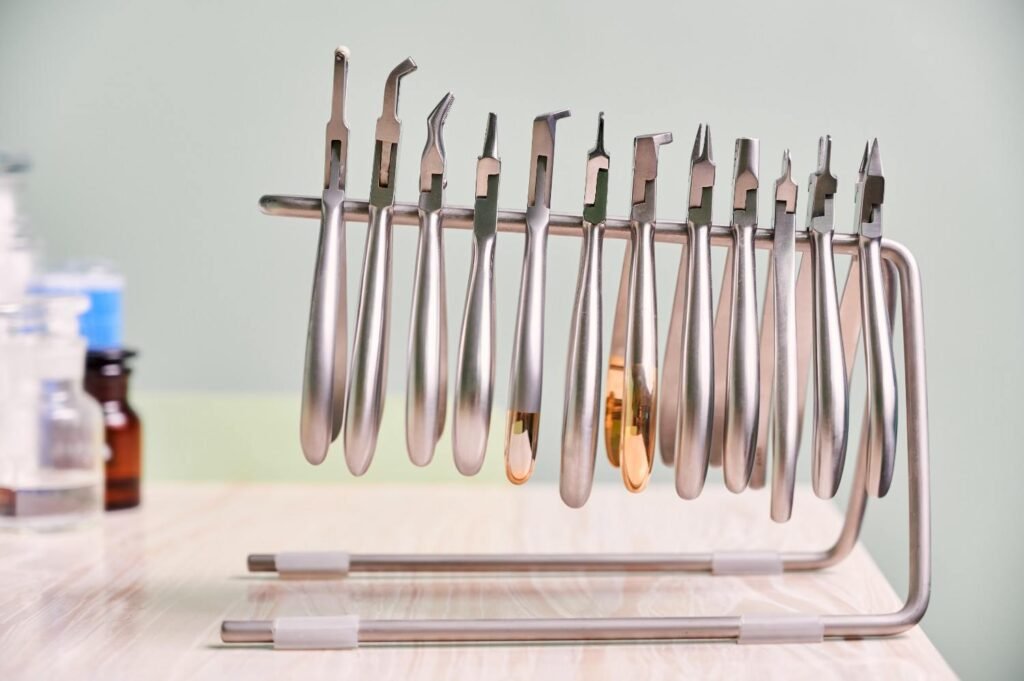
A Tooth Extraction Instrument is a specialized dental surgical tool designed to assist qualified dentists and oral surgeons during tooth extraction procedures. These instruments are developed to provide controlled handling, secure grasping, elevation, and removal of teeth when extraction is clinically indicated.
Tooth extraction requires precision, stability, and appropriate instrument selection. High-quality dental extraction instruments can help dental professionals maintain better control during procedures while supporting efficient clinical workflow. Depending on the type of tooth and the extraction technique, different instruments may be used, including extraction forceps, elevators, root-tip instruments, and other specialized dental surgical tools.
What Is a Tooth Extraction Instrument?
A Tooth Extraction Instrument refers to a range of dental instruments used during tooth removal procedures. The exact instrument selected depends on the patient’s dental anatomy, tooth position, root structure, and the extraction technique chosen by the dental professional.
Dental extraction instruments are generally manufactured from surgical-grade stainless steel. This construction provides strength, durability, corrosion resistance, and compatibility with appropriate cleaning and sterilization procedures.
Professional dental instruments are designed with carefully shaped working ends and handles to provide reliable control. Their ergonomic construction can help dentists position and manipulate the instrument accurately during clinical procedures.
Benefits of Tooth Extraction Instruments
1. Designed for Dental Procedures
Tooth extraction instruments are specifically designed for dental applications. Their specialized shapes and working ends allow trained dental professionals to select an appropriate instrument according to the tooth and procedure.
2. Improved Instrument Control
A properly designed handle can provide a secure grip and controlled manipulation. Good instrument control is particularly important during dental surgery because precise positioning is required.
3. Durable Stainless-Steel Construction
Many professional tooth extraction instruments are manufactured from high-quality stainless steel. Stainless steel offers durability and resistance to corrosion when the instrument is properly cleaned, sterilized, and maintained.
4. Precision-Oriented Design
Dental extraction instruments are engineered with specific working profiles to accommodate different clinical applications. Properly designed jaws, tips, and handles can support accurate instrument placement.
5. Suitable for Different Extraction Applications
Different extraction instruments are available for different teeth and clinical situations. Dental practices can maintain a selection of instruments to support routine and more specialized extraction procedures.
6. Reusable Professional Instrument
Reusable stainless-steel dental instruments can be processed and sterilized between procedures according to established infection-control protocols and manufacturer instructions.
7. Ergonomic Handling
Ergonomically shaped handles can make instruments comfortable to hold and manipulate. This can support efficient workflow during dental procedures.
8. Easy Maintenance
High-quality stainless-steel instruments are generally straightforward to clean and maintain. Regular inspection helps identify damaged, worn, or misaligned instruments before clinical use.
Types of Tooth Extraction Instruments
There are several types of instruments used in dental extraction procedures. The choice depends on the professional technique and clinical requirements.
Dental Extraction Forceps
Dental extraction forceps are among the most commonly recognized tooth removal instruments. They are available in different designs for specific teeth and regions of the mouth. Their jaws are shaped to provide an appropriate grip on the tooth.
Dental Elevators
Elevators are used by dental professionals to assist with tooth mobilization and other extraction techniques. Different elevator designs are available for different clinical applications.
Root Tip Instruments
Specialized root-tip instruments may be used when a portion of a tooth root requires controlled management during an extraction procedure.
Surgical Extraction Instruments
More complex extraction procedures may require additional dental surgical instruments. These can include specialized forceps, elevators, retractors, and other instruments selected by the oral surgeon or dentist.
Applications of Tooth Extraction Instruments
Tooth extraction instruments are used in professional dental environments, including dental clinics, hospitals, oral surgery practices, dental teaching institutions, and specialized dental centers.
They may be used for routine dental extractions and other clinically indicated procedures. The appropriate instrument depends on factors such as tooth type, tooth position, root anatomy, and the professional extraction technique.
Only qualified dental professionals should determine whether extraction is appropriate and which instruments should be used.
Key Product Features
A professional Tooth Extraction Instrument may include:
- High-quality stainless-steel construction
- Precision-engineered working ends
- Strong and durable design
- Secure and comfortable handle
- Corrosion-resistant surface
- Professional dental application
- Reusable construction
- Suitable for appropriate sterilization
- Reliable instrument handling
- Available in multiple designs and sizes
- Designed for dental extraction procedures
Why Choose High-Quality Tooth Extraction Instruments?
The quality of dental surgical instruments is important for professional dental practices. Instruments with accurate dimensions, smooth movement, properly aligned working ends, and durable construction can provide dependable performance during clinical procedures.
A high-quality instrument should be comfortable to handle and manufactured to appropriate professional standards. The working surfaces should be properly finished, while moving components should operate smoothly without excessive resistance.
For dental clinics that perform extractions regularly, durable instruments can provide long-term value when properly maintained.
Cleaning and Sterilization
Proper instrument reprocessing is essential after every dental procedure. Tooth extraction instruments should be cleaned according to the dental practice’s infection-control procedures and the manufacturer’s instructions.
Instruments should be inspected for visible contamination, damage, corrosion, loose components, or other defects. Moving parts should be checked to ensure proper function.
Sterilization should be performed using a validated method suitable for the specific instrument. Instruments should be completely dry before storage to help prevent corrosion and maintain their condition.
Choosing the Right Tooth Extraction Instrument
Selecting the appropriate dental extraction instrument requires consideration of the intended clinical application. Dentists should evaluate the tooth type, anatomical location, instrument design, jaw configuration, handle style, material quality, and overall construction.
A professional dental instrument supplier can provide product specifications, sizes, and design information to help dental professionals choose suitable instruments for their practice.
For specialized extraction procedures, the instrument should always be selected according to the dentist’s professional judgment and established clinical protocols.
Advantages for Dental Clinics
Maintaining a well-organized range of tooth extraction instruments can help dental clinics prepare for different extraction requirements. Properly selected instruments can contribute to efficient workflow and consistent instrument handling.
High-quality stainless-steel construction also makes these instruments suitable for repeated professional use when they are properly cleaned, sterilized, inspected, and stored.
Dental practices should periodically evaluate their instruments and replace any instrument that no longer meets the required standards for safe and effective clinical use.
Conclusion
The Tooth Extraction Instrument is an essential category of dental surgical equipment used by qualified dentists and oral surgeons during tooth removal procedures. With specialized designs, durable stainless-steel construction, ergonomic handles, and precision-engineered working ends, these instruments are developed to support professional dental procedures.
Choosing high-quality extraction instruments can provide reliable handling, durability, and long-term value for dental practices. Proper cleaning, sterilization, inspection, and maintenance are equally important for preserving instrument performance.
Whether a dental practice requires extraction forceps, elevators, root-tip instruments, or other specialized dental surgical tools, selecting the correct instrument for the intended procedure is essential for professional clinical practice.