Raw Chicken Necks for Puppies: Benefits & Safety Tips
Description
Raw chicken necks for puppies can be an appealing option for pet owners exploring raw feeding, but choosing the right size, preparation, and feeding approach is important. Chicken necks contain meat, connective tissue, and edible bone, making them a nutrient-rich addition when appropriately incorporated into a balanced diet. Puppies have different nutritional needs than adult dogs, so raw chicken necks should not replace a complete puppy diet. Proper handling, storage, and hygiene are also essential when feeding raw foods. Learn how raw chicken necks for puppies can fit into a raw feeding routine, along with practical tips for safer preparation and responsible feeding.
Raw Chicken Necks for Puppies: Benefits, Feeding Tips & Safety
Puppy owners are always looking for ways to provide nutritious food that supports healthy growth and development. As raw feeding becomes more popular, raw chicken necks for puppies are often discussed as a source of meat, connective tissue, and edible bone. They can be included in some raw-feeding approaches, but puppies have specific nutritional requirements that make balanced feeding especially important. Chicken necks should therefore be considered an ingredient rather than a complete diet. Understanding how they fit into a puppy’s meals, how to handle them safely, and when to avoid them can help pet owners make more informed feeding decisions.
What Are Raw Chicken Necks for Puppies?
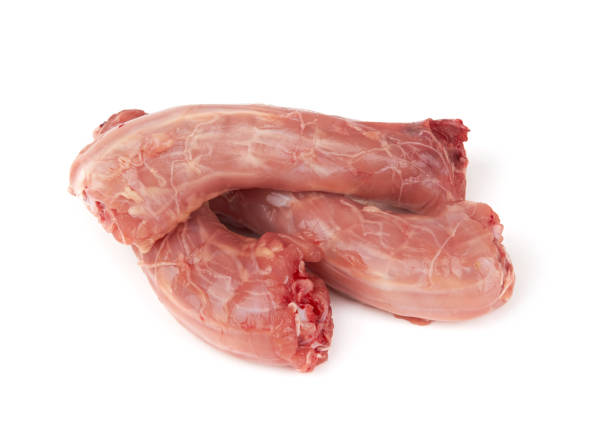
Raw chicken necks consist of small amounts of meat, skin, connective tissue, and bones. For appropriately sized puppies, they may be used as part of a properly formulated raw diet. The edible bones provide minerals such as calcium and phosphorus, while the surrounding tissues contribute protein and other nutrients. However, the nutritional value of chicken necks does not mean they can provide everything a growing puppy needs. Puppies require carefully balanced amounts of protein, fat, calcium, phosphorus, vitamins, and other nutrients. A puppy’s diet should therefore be formulated with growth requirements in mind rather than relying on chicken necks alone.
Are Raw Chicken Necks Safe for Puppies?
Safety depends on several factors, including the puppy’s age, size, chewing ability, the size and condition of the neck, and the overall feeding plan. Raw bones can present risks such as choking, dental damage, gastrointestinal obstruction, or injury if they are inappropriate for the individual dog. Raw poultry can also carry bacteria such as Salmonella and Campylobacter, creating food-safety concerns for both pets and people in the household. Puppies can be particularly vulnerable to complications from poor nutrition or foodborne illness. For these reasons, pet owners should discuss raw feeding with a veterinarian or veterinary nutrition professional before introducing raw chicken necks to a young puppy.
Potential Nutritional Benefits of Chicken Necks
When appropriately incorporated into a balanced diet, chicken necks can contribute several nutrients. The meat and connective tissues provide protein, while the edible bone supplies calcium and phosphorus. The skin also contains fat, although the amount can vary. These nutrients have important roles in normal growth, bone development, muscle function, and overall nutrition. Still, the nutritional contribution of chicken necks needs to be considered alongside the rest of the puppy’s diet. Simply adding more bone does not automatically make a diet healthier, and excessive or unbalanced bone intake can create nutritional and digestive problems.
How Many Chicken Necks Should a Puppy Eat?
There is no single portion that is appropriate for every puppy. Feeding amounts depend on factors such as age, breed, body size, growth stage, activity level, and the composition of the rest of the diet. Puppies also need diets that are specifically balanced for growth rather than adult maintenance. Instead of using a generic number of chicken necks as a feeding rule, it is safer to determine portions as part of a complete feeding plan. A veterinarian or qualified veterinary nutritionist can help determine whether chicken necks are appropriate and how they should fit into the puppy’s overall nutritional requirements.
Choosing the Right Chicken Necks
Size matters when selecting raw chicken necks for puppies. A neck that is too large or inappropriate for a puppy’s chewing ability can increase the risk of choking or other problems. Freshness and proper storage are also important when handling raw poultry. Avoid feeding meat that has an unusual smell, appearance, or signs of spoilage. Chicken necks should come from a reliable source and should be kept refrigerated or frozen according to appropriate food-safety practices. When purchasing raw ingredients, consistency in sourcing and storage can make meal preparation easier and more predictable.
Raw Chicken Necks vs Cooked Chicken Necks
Raw and cooked bones should not be treated as interchangeable. Cooking can change the structure of poultry bones, potentially making them more brittle and increasing the risk of splintering. For this reason, cooked chicken bones should not be given to puppies. If chicken necks are being considered as part of a raw-feeding plan, they should be handled as a raw ingredient with appropriate hygiene and safety precautions. Puppies should also be supervised when eating any chewable food or bone-containing ingredient so that potential problems can be identified quickly.
How to Handle Raw Chicken Necks Safely
Good hygiene is essential when preparing raw poultry. Wash hands thoroughly after handling raw chicken and clean utensils, bowls, counters, and other surfaces that come into contact with the food. Keep raw poultry separate from foods intended for people, and avoid leaving raw food at room temperature for extended periods. Store portions appropriately in the refrigerator or freezer and follow safe thawing practices. These simple steps can reduce the risk of cross-contamination and help protect everyone in the household, especially young children, older adults, pregnant people, and anyone with a weakened immune system.
Can All Puppies Eat Raw Chicken Necks?
No. Individual puppies can have different needs and tolerances, and raw feeding is not automatically appropriate for every puppy. Puppies with certain medical conditions, digestive problems, dental issues, or compromised immune systems may require particular feeding precautions. Very young puppies may also have different feeding requirements than older puppies. If a puppy struggles to chew, frequently swallows food without chewing, vomits after eating, develops diarrhea, or shows signs of discomfort, stop the food in question and contact a veterinarian for guidance.
Chicken Necks Should Not Replace a Complete Puppy Diet
One of the biggest mistakes is treating raw chicken necks for puppies as a complete source of nutrition. Growing puppies need carefully balanced diets that meet established nutritional requirements for growth. Chicken necks can provide certain nutrients, but they do not supply every vitamin, mineral, fatty acid, and other nutrient a puppy needs. A complete commercial puppy food or a properly formulated homemade diet can provide a more appropriate nutritional foundation. If raw ingredients are used, the entire diet—not just individual ingredients—should be evaluated for nutritional adequacy.
Signs That a Puppy May Not Be Tolerating Them Well
Puppy owners should pay attention after introducing any new food. Loose stools, vomiting, constipation, difficulty passing stool, abdominal discomfort, unusual lethargy, coughing, gagging, or difficulty swallowing can indicate that something is wrong. Some digestive changes can occur when diets are changed too quickly, while other signs may require prompt veterinary attention. If a puppy appears distressed, has repeated vomiting, has difficulty breathing, or may have swallowed a problematic bone fragment, veterinary care should be sought promptly rather than waiting for the symptoms to resolve.
A Balanced Approach to Raw Feeding
Raw feeding does not need to mean feeding individual raw ingredients without a nutritional plan. The goal should be a diet that provides the nutrients a growing puppy needs in appropriate amounts and proportions. Ingredients such as muscle meat, organs, and other components may be combined depending on the formulation, but the final diet needs to be balanced for growth. For owners who want to include raw chicken necks for puppies, working with a veterinarian or veterinary nutritionist is a practical way to understand whether they can be included safely and appropriately.
Conclusion: Feeding Puppies Responsibly
Raw chicken necks for puppies can be part of certain raw-feeding plans, but they should be approached carefully. Their meat, connective tissue, and edible bone can contribute useful nutrients, yet they are not a complete puppy food. Portion size, puppy development, chewing ability, food handling, and overall nutritional balance all matter. Because puppies are still growing, nutritional mistakes can have greater consequences than they do for adult dog food. Before introducing chicken necks or other raw bones, consider discussing the feeding plan with a qualified veterinary professional and focus on providing a complete, balanced diet designed specifically for healthy puppy growth.