Political Direct Mail Personalization Techniques for Higher Engagement
Description
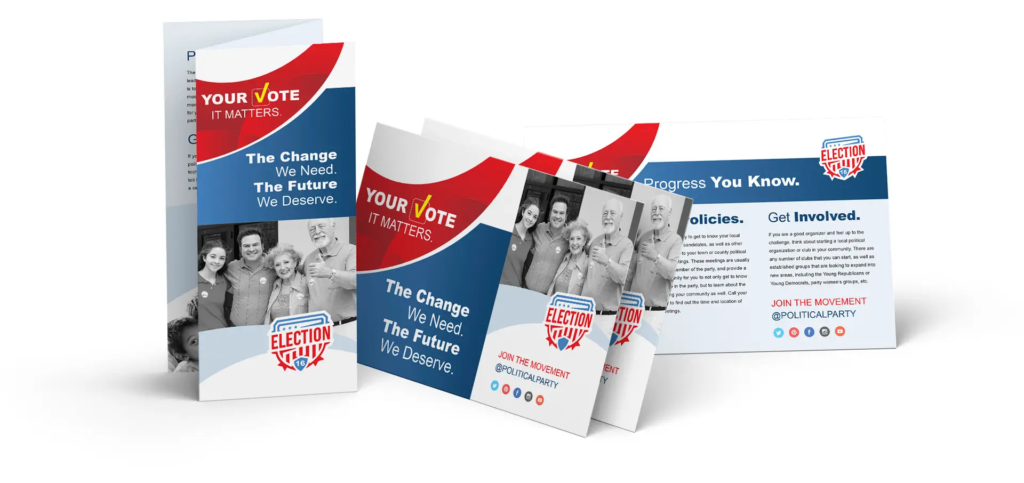
We understand the frustration of watching a campaign budget disappear into a sea of ignored digital ads. When a voter opens their mailbox, you have a split second to prove your message deserves their time. We find that generic outreach often fails because it lacks a personal touch that speaks to the individual. Through Political Direct Mail, we help candidates transform standard postcards into personalized conversations that resonate with specific voter concerns.
The Power of Variable Data in Voter Communication
Voters today expect messages that feel relevant to their daily lives and local neighborhoods. We see many campaigns make the mistake of sending the exact same flyer to a 20-year-old student and a 70-year-old retiree. This approach wastes valuable resources and ignores the unique motivations of each demographic. Variable Data Printing (VDP) allows us to change names, images, and even entire paragraphs based on who receives the piece.
Addressing Voters by Name and Neighborhood
Personalization starts with the simplest details but yields the most significant psychological impact. We’ve observed that including a voter’s name in a bold, prominent font increases the amount of time they hold the mailer. When we mention their specific neighborhood or a nearby local landmark, we bridge the gap between a distant politician and a local leader. This small adjustment makes the recipient feel seen and heard by the candidate.
Tailoring Policy Points to Voter Segments
We know that a one-size-fits-all policy platform rarely exists in the eyes of the public. A homeowner might care deeply about property taxes, while a young professional prioritizes public transit or local job growth. We recommend segmenting your list so that each group receives a version of your mailer highlighting the issues they care about most. This level of detail shows the voter that you value their specific perspective and understand their daily struggles.
Leveraging Visual Personalization to Build Trust
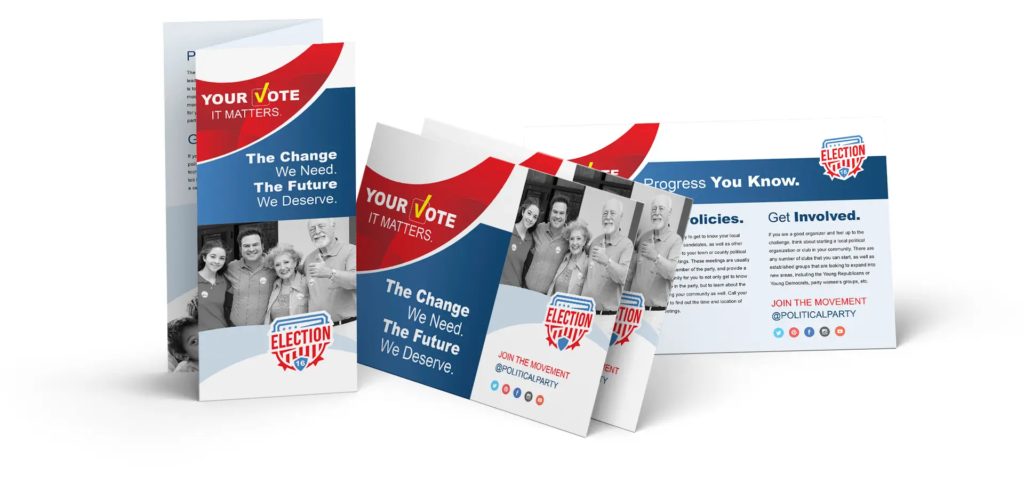
Visuals tell a story faster than text ever could, especially when a voter is sorting through a stack of mail. We encourage campaigns to think beyond the standard American flag background and candidate headshot. By matching the imagery to the recipient’s life stage, we build an immediate visual rapport that fosters trust. People naturally gravitate toward images that reflect their own experiences and environments.
Adapting Imagery for Different Demographics
If we target young families, we often suggest using photos of local parks, playgrounds, or school settings. For senior citizens, we might feature images of community centers or healthcare facilities that they recognize. This visual shorthand tells the voter exactly who the message is for before they read a single word. We also keep a close eye on changing USPS marketing trends to ensure these designs fit within modern postal standards while remaining eye-catching.
Using Local Maps and Directions
We find that adding a small, personalized map to a mailer can significantly boost engagement for “Get Out The Vote” efforts. By showing the voter exactly where their specific polling place is located in relation to their home, we remove a common barrier to voting. This practical application of personalization moves the mailer from a piece of “advertising” to a useful community resource. It demonstrates that the campaign cares about the voter’s participation in the democratic process.
Bridging the Gap Between Mail and Digital Platforms
Direct mail does not have to exist in a vacuum, and we often integrate digital elements to create a multi-channel experience. This strategy allows voters to move from a physical postcard to a campaign video or a donation page in seconds. By personalizing these digital bridges, we make the transition feel seamless and engaging rather than jarring. We see higher conversion rates when the physical and digital messages mirror each other perfectly.
Utilizing Personalized QR Codes and URLs
We suggest using unique QR codes for different segments of your mailing list to track engagement levels accurately. This tactic allows us to see which neighborhoods or age groups engage most with your content in real-time. If a voter scans a code and lands on a page specifically tailored to their interests, the likelihood of a donation or volunteer sign-up increases. This data provides invaluable insights that help us refine your strategy for the final weeks of the campaign.
Reinforcing Social Media Messaging
We often coordinate mail drops with digital ad spends to ensure voters see the same personalized message across all platforms. When a voter sees a postcard about local education and then sees a similar video on their social feed, the message sticks. We help campaigns synchronize these efforts so the personalization feels like a consistent conversation. This repetition builds the brand recognition necessary to win on election day.
Avoiding Over-Personalization and Maintaining Professionalism
While personalization wins votes, we always caution our clients against overstepping boundaries. Voters value their privacy, and data usage must feel helpful rather than intrusive or “creepy.” We focus on using public voter records and shared community interests to maintain a professional and respectful tone. Striking this balance ensures that your message builds long-term trust rather than immediate skepticism.
Conclusion
Personalization transforms a simple piece of mail into a strategic asset for any political campaign. We know that the pressure to perform during election season remains high, and we pride ourselves on providing the technical expertise to make your outreach count. By focusing on the individual voter rather than the mass crowd, you build the kind of authentic connection that wins elections. At MailProsUSA, we stand ready to help you implement these advanced techniques and ensure your voice reaches the right people at the right time. Reach out to our team today to start planning a campaign that truly resonates with your community.