Periotome Dental: Uses, Benefits, and Importance in Modern Dentistry
Description
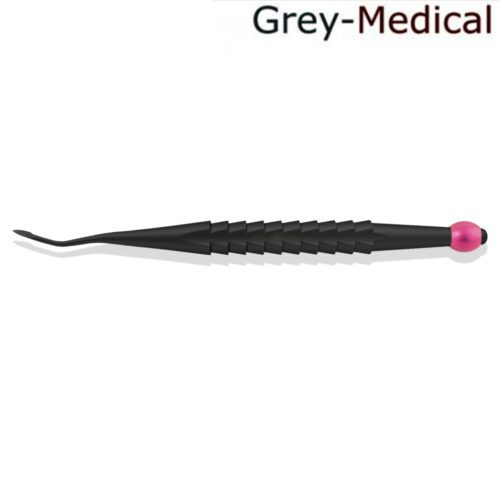
A periotome dental instrument is a specialized dental tool designed to help dentists extract teeth while minimizing damage to the surrounding gum tissue and alveolar bone. It is commonly used during atraumatic tooth extraction, particularly when preserving the natural bone structure is important for future dental implant placement. Its thin, sharp blade is carefully inserted into the periodontal ligament space to separate the tooth from the surrounding tissues with controlled movements.
Unlike conventional periotome dental instrument that may require greater force, a periotome supports a more conservative approach to tooth removal. This makes it a valuable instrument in modern dentistry, especially in procedures where maintaining the integrity of the extraction site is a priority.
How Does a Periotome Work?
The primary function of a periotome dental instrument is to sever the periodontal ligament fibers connecting the tooth root to the surrounding alveolar bone. The dentist gently guides the instrument along the tooth’s root surface, gradually releasing the attachment before removing the tooth.
This technique requires precision, patience, and an understanding of dental anatomy. By carefully separating the ligament fibers, the dentist can reduce unnecessary pressure on the surrounding bone and soft tissues. The procedure may be particularly beneficial when extracting teeth in preparation for immediate or future implant treatment, although the appropriate technique depends on the patient’s clinical condition.
Benefits of Using a Periotome in Tooth Extraction
One of the main advantages of a periotome dental instrument is its potential to support minimally traumatic tooth extraction. Preserving the surrounding bone and gingival tissues can be important for healing, maintaining the natural contours of the extraction site, and planning restorative procedures.
The instrument also provides clinicians with greater control during ligament separation. Its slim working end allows access to narrow spaces around the tooth root, helping reduce the need for excessive force. However, outcomes depend on factors such as root shape, bone density, tooth condition, and the dentist’s technique. A periotome does not guarantee damage-free extraction, but it can contribute to a more controlled procedure when used appropriately.
Types and Features of Dental Periotomes
Dental periotomes are available in different designs to accommodate various clinical requirements. Straight and angled models may help clinicians access different areas of the mouth, while variations in blade thickness and handle design can influence precision and comfort. Some instruments feature ergonomic handles that support a secure grip and improved control during delicate procedures.
Selecting the appropriate dental surgery instrument depends on the tooth’s position, root anatomy, accessibility, and the clinician’s preferred extraction technique. High-quality materials, durable construction, and proper sterilization compatibility are important considerations when selecting surgical instruments for professional dental practice.
Choosing Quality Dental Instruments from GreyMedical®
GreyMedical® is a privately owned medical technology company dedicated to innovation and excellence in the craft of surgical instruments. For dental professionals, selecting dependable instruments is an important part of maintaining precision, consistency, and professional standards in clinical practice.
When evaluating a periotome, dentists should consider blade quality, instrument balance, handle ergonomics, durability, and suitability for the intended procedure. Proper cleaning, sterilization, inspection, and maintenance are also essential for safe clinical use. Choosing instruments designed for professional dental applications helps support an organized and efficient treatment workflow.
Conclusion
A periotome dental instrument plays an important role in modern atraumatic tooth extraction by helping clinicians separate periodontal ligament fibers while aiming to preserve surrounding bone and soft tissues. Its precise design makes it useful in cases where careful tissue management is essential, including selected procedures involving future dental implant placement. By understanding its function, benefits, and design features, dental professionals can make informed decisions when choosing instruments for their clinical needs. GreyMedical® remains dedicated to innovation and excellence in surgical instrument craftsmanship, supporting the importance of quality and precision in modern dental care.