How to Keep Press On Nails Looking Fresh for Weeks
Description
We know how it feels when you spend time perfecting your look, only to have a nail pop off right before a big presentation or event. Many of our clients choose Press On Nails because they offer a high-end, professional appearance without the three-hour salon commitment. However, maintaining that “just-walked-out-of-the-boutique” shine requires more than just a quick application.
In our experience working with high-performing professionals, we notice that the most successful manicures survive through a combination of habit and technique. You don’t need a professional license to keep your nails looking pristine, but you do need a professional strategy. We want to share the practical, experience-driven methods we use to ensure enhancements stay secure and vibrant for the long haul.
Achieving a three-week wear time involves more than just strong glue; it requires a commitment to protecting the bond you created during application. We find that small, daily adjustments prevent the common “lifting” that frustrates so many users. By following these industry-standard practices, you can maintain a flawless aesthetic that reflects your professional standards.
Master the Art of Daily Manicure Protection
We often tell our clients that your nails are jewels, not tools. This mantra serves as the foundation for long-lasting wear because mechanical stress causes most premature failures. When you use your fingertips to pry open boxes or scrape off labels, you create micro-gaps between the natural nail and the enhancement.
These tiny openings allow moisture and oils to seep in, which eventually dissolves the adhesive bond. We recommend keeping a small multi-tool or a pair of scissors nearby to handle tasks that might otherwise strain your nails. This simple shift in habit significantly reduces the risk of a nail snapping or popping off during your workday.
Minimize Water Exposure to Preserve the Bond
We observe that water acts as the primary enemy of nail adhesive, especially during the first forty-eight hours. While the glue feels dry almost instantly, it often takes several hours to reach its maximum chemical strength. We suggest wearing rubber gloves whenever you wash dishes or use harsh cleaning chemicals.
Prolonged soaking in hot water can soften both the natural nail and the adhesive, leading to a loss of structural integrity. If you enjoy long baths, try to keep your hands above the water line as much as possible. We find that clients who use gloves for household chores enjoy a much higher success rate with their DIY manicures.
Manage Cuticle Health and Hydration
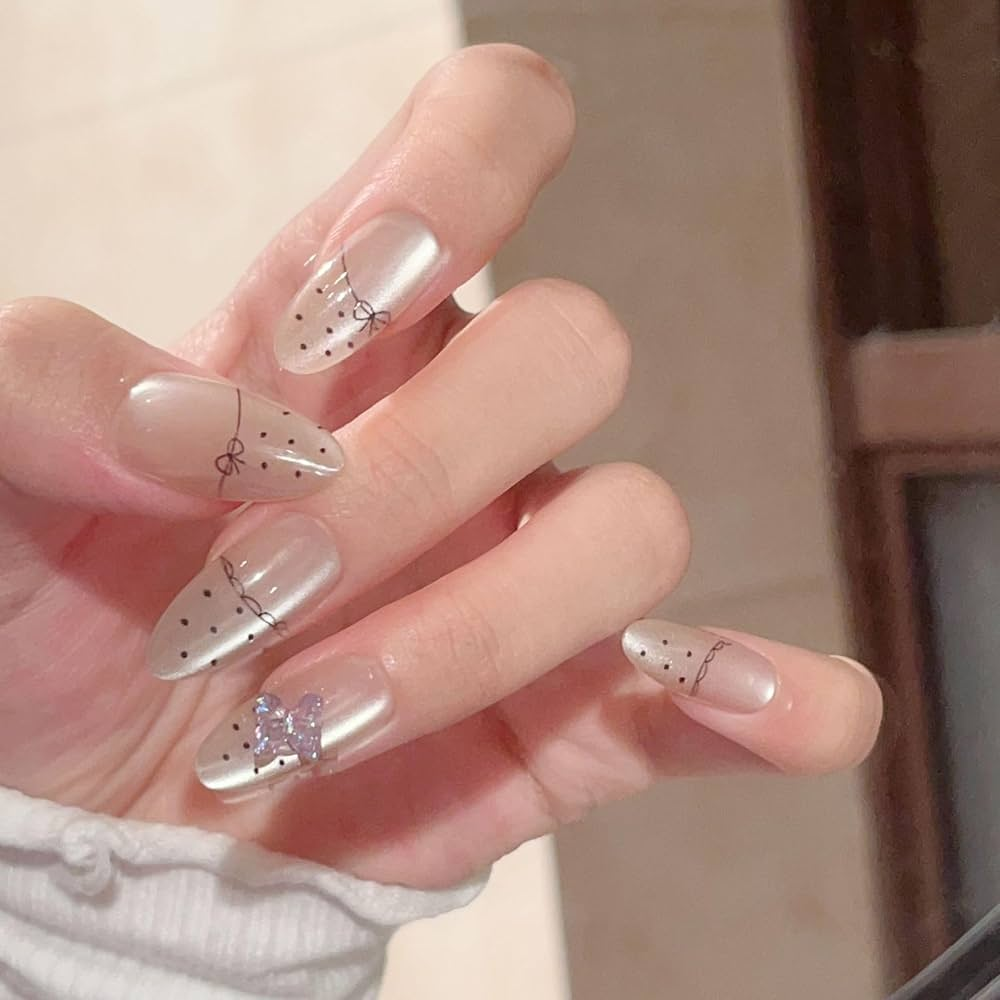
We see many people neglect their cuticles once the nails are on, but this is a major mistake for longevity. Dry, peeling skin around the nail bed can pull at the edges of the press-on, creating an entry point for air. We recommend applying a high-quality cuticle oil every night before bed to keep the skin supple and the seal tight.
Hydrated skin provides a flexible frame for your manicure, allowing it to move naturally with your hands. We avoid using heavy creams immediately after application, as the oils can interfere with the initial bond. Stick to lightweight oils and apply them only to the skin, avoiding the surface of the nail itself to maintain the high-shine finish.
Professional Maintenance and Refinement Strategies
Even the best-applied nails can show signs of wear after seven to ten days of constant use. We believe that a mid-week “refresh” session can double the life of your manicure and keep it looking professional. Instead of waiting for a nail to fall off, we encourage you to inspect the edges for any signs of lifting or snagging.
If you notice a small gap, don’t wait for it to get worse; address it immediately with a tiny drop of glue. We also suggest keeping a fine-grit file in your bag to smooth out any rough edges that develop over time. This prevents the nail from catching on fabrics, which is a common cause of painful “pop-offs.”
Refining the Fit with Specialized Tools
Sometimes, the underside of the press-on can collect debris or begin to feel thick as your natural nail grows out. We suggest using specialized equipment to keep the underside clean and the transition smooth. Understanding nail drill speed settings allows you to gently refine the edges without damaging the product.
A quick pass with a low-speed setting can remove any excess glue that has migrated toward the tip. We find that keeping the “free edge” of the nail clean prevents the build-up of oils that can compromise the adhesive from the front. This level of detail separates a standard home application from a truly professional-looking result.
Maintaining Surface Shine and Color Integrity
We often notice that the top coat on press-on nails can dull after a week of typing and daily activity. To restore that original luster, we recommend applying a thin layer of high-shine UV top coat or a fast-drying clear polish. This acts as a sacrificial layer, protecting the actual design of the nail from scratches and fading.
If you work in an environment where you handle a lot of paper or ink, your nails might pick up stains over time. We suggest wiping the surface with an alcohol-free wipe every few days to remove any surface contamination. This keeps the colors vibrant and ensures your hands always look ready for a close-up.
Ensuring a Safe and Healthy Transition
At Toes and Nails, we believe that the health of your natural nail is just as important as the beauty of the enhancement. We never recommend forcing a nail off if the adhesive still holds strong, as this can cause permanent damage to your nail bed. Instead, we advocate for a patient, soak-off method that preserves your natural strength for the next set.
We have seen that consistency in care leads to the best results for busy business owners who value their time and image. By integrating these small maintenance steps into your routine, you transform a temporary beauty product into a reliable professional accessory. We take pride in helping our clients achieve salon-quality results that withstand the demands of a modern, active lifestyle.