How Technology Is Transforming Modern Dump Trucks?
Description
Five years ago, a dump truck was simple machinery—a diesel engine, hydraulic controls, and the driver’s expertise. Today’s dump trucks are data collectors, safety systems, and fleet assets all rolled into one. GPS tracks location in real-time, telematics monitors engine health before breakdowns happen, and software predicts maintenance needs weeks in advance. The transformation is quietly reshaping how construction companies operate, cut costs, and keep workers safe.
This shift represents one of the most significant changes in heavy equipment since hydraulic systems became standard. The average dump truck now contains more computing power than most offices did a decade ago. Yet for many fleet managers and contractors, the full potential of this technology remains untapped.
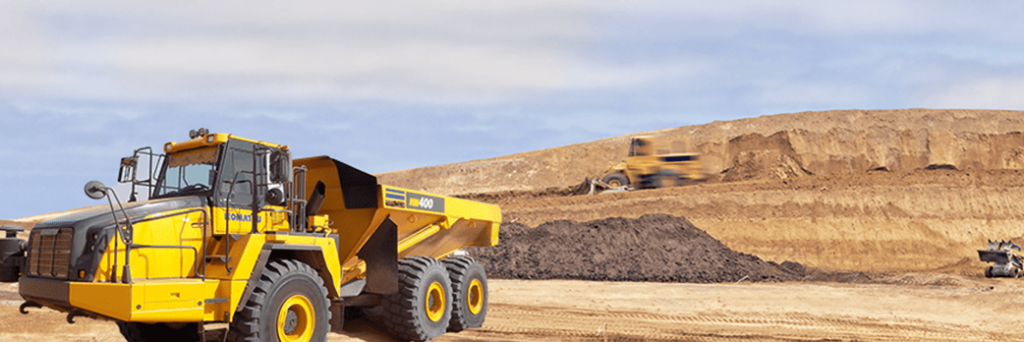
GPS and Real-Time Location Tracking
Every modern dump truck on a job site now carries GPS. At its simplest level, this answers one question: where is this truck right now? The real value emerges when you aggregate data across a fleet. You see which trucks are idle between loads, which routes drivers are taking, and whether they’re detouring or speeding in unsafe ways.
For contractors managing multiple sites, GPS eliminates guesswork around truck availability and deployment. A dispatcher can see in real-time which dump trucks are empty and closest to the next pickup location. This has measurable impact on efficiency—reducing wait times, optimizing load sequences, and cutting fuel consumption.
The secondary benefit is theft prevention. Expensive equipment left overnight at job sites has historically been vulnerable. GPS with geofencing (virtual boundaries around defined areas) sends immediate alerts if a truck leaves the site after hours. Insurance companies increasingly offer premium discounts for fleets with active GPS tracking.
Telematics: The Digital Health Check for Your Fleet
Telematics takes monitoring beyond location. It’s the ongoing diagnostic conversation between the truck’s engine systems and the fleet management office. Every second, the onboard computer collects data about engine temperature, oil pressure, fuel consumption, brake performance, and dozens of other parameters.
This data streams to management dashboards where algorithms identify anomalies before they become failures. A water temperature climbing slightly beyond normal might indicate a cooling system issue developing. The system flags it—not as a crisis, but as “schedule maintenance in the next service window.” This predictive maintenance approach is game-changing for dump truck operations:
✓Prevents catastrophic breakdowns. Issues are caught during planned maintenance, not roadside repairs.
✓Extends equipment life. Proactive care keeps trucks operating longer and more reliably.
✓Reduces downtime costs. No more emergency towing or overnight job site delays.
✓Optimizes fuel efficiency. Telematics data shows which drivers are over-accelerating or idling excessively.
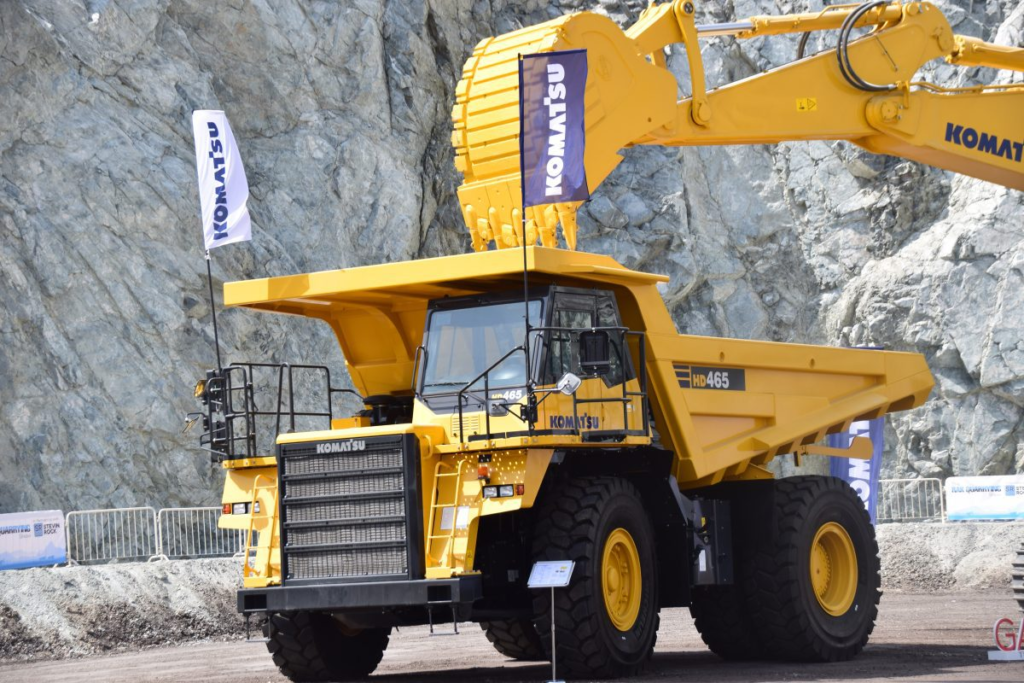
Fleet Management Software: The Central Nervous System
Data means nothing without interpretation. Modern fleet management platforms aggregate GPS, telematics, driver behaviour, maintenance records, and fuel logs into a single dashboard. Managers see not just what’s happening, but why—and can act on it.
Consider route optimization: traditional routes were often guesswork shaped by driver experience. Software analyzes historical load patterns, traffic data, and site locations to suggest routes that cut drive time by 10-15%. Across a fleet of 20 dump trucks, that can translate to thousands in weekly fuel savings.
Maintenance scheduling becomes data-driven too. Rather than servicing trucks on a calendar (every 5,000 hours), software recommends maintenance based on actual component wear rates. A truck in heavy duty with high hydraulic stress might need servicing sooner. Another in lighter work can go longer. This precision saves money on unnecessary services while preventing genuine failures.
Industry Insight
Fleets implementing comprehensive fleet management software report 15-25% reductions in operational costs within the first year—mainly through fuel savings, reduced breakdowns, and optimized maintenance intervals.
Automation and Remote Operations
Autonomous dump trucks aren’t yet standard on public roads, but they’re already operating in controlled environments like quarries and mining sites. These vehicles can load, navigate to a stockpile, dump their cargo, and return—all without a driver physically present.
For construction sites where dump trucks operate in tight loops (excavator → stockpile → dump site → repeat), this automation dramatically increases productivity. A single remote operator can oversee multiple autonomous trucks. Safety improves because humans are removed from repetitive heavy equipment operations.
Even partially-autonomous features—automated parking assistance, lane-keeping systems, and collision avoidance—enhance safety on job sites where spaces are tight and visibility is limited.
Advanced Safety Technologies
Dump trucks are high-risk equipment. Blind spots, heavy loads, and operator fatigue all contribute to accidents. Modern safety systems address these directly:
📡
Rear-view cameras
360-degree visibility eliminates blind spots during reverse operations
⚠️
Collision avoidance
Radar/LIDAR detects obstacles and alerts drivers or applies brakes
😴
Fatigue monitoring
In-cabin cameras detect drowsy driving and trigger alerts
💨
Stability control
Electronic systems prevent rollovers on uneven terrain or high-speed turns
🔊
Proximity alarms
Alert ground crews when dump trucks are backing or maneuvering nearby
📊
Driver scoring
Algorithms rate driving behaviour and identify coaching opportunities
Insurance data consistently shows that fleets implementing these technologies see accident rates drop by 20-40%. Beyond the human cost, this translates directly to lower insurance premiums and fewer lost-time injuries.
Frequently Asked Questions
Q. Do I really need to upgrade my dump truck fleet with all this technology? What if I just maintain trucks the old way?
You don’t *need* to, but you’ll pay a price. Traditional maintenance is reactive—you fix things when they break. That’s expensive and unpredictable. Fleets that stick with the old approach typically see higher downtime, bigger repair bills, and lower safety records. Modern telematics and fleet software cost money upfront, but they pay for themselves through fuel savings, reduced breakdowns, and optimized routes. If you’re running more than 5-10 trucks, the ROI is almost always positive within 18-24 months. Smaller operations can often get by longer, but eventually competitive pressure pushes everyone toward modern systems.
Q. Are dump truck drivers resistant to all this monitoring technology? Do they see it as surveillance?
Some do, initially. Drivers often worry that telematics and GPS tracking are purely about surveillance—catching them speeding or idling. The key is transparency and framing. Companies that succeed communicate that these tools are about *safety and efficiency*, not punishment. When a telematics system catches a maintenance issue early and prevents a breakdown that would have stranded a driver on the highway at night, drivers see the value. Similarly, when fleet software optimizes routes and reduces driving time, drivers appreciate it. The best implementations tie safety performance to incentives—bonuses for safe driving, recognition programs, etc. When drivers understand they benefit, resistance drops significantly.
Q. What’s the biggest problem with dump truck telematics systems? Are they reliable?
Reliability itself has improved dramatically. The bigger issue now is *data quality and usability*. Many fleet managers collect telematics data but struggle to turn it into actionable insights. They get overwhelmed by dashboards, alerts, and numbers without clear next steps. The tech is solid, but implementation matters. Companies need trained staff to interpret data, set meaningful alerts (avoiding alert fatigue), and follow through on maintenance recommendations. Also, some systems are better integrated than others—if GPS, telematics, and maintenance scheduling don’t talk to each other, you lose efficiency. Choose providers with strong integration and good training programs.
Q. Are autonomous dump trucks actually going to replace drivers? Should I be worried about that?
In short-term controlled environments like quarries and mining operations, yes—autonomous trucks are already deployed. But for general construction and hauling work on varied job sites, it’s decades away, if ever. The technical and regulatory barriers are massive. More realistically, autonomous technology will augment human drivers (partial autonomy, remote operation) rather than replace them entirely. What’s more likely in the next 5-10 years is that companies demand *higher skills* from drivers—not just steering, but troubleshooting technology, understanding data, and managing equipment remotely. The job changes, but it doesn’t disappear. Drivers who stay current with technology will be more valuable, not less.