Commercial Refrigeration: The Backbone of Modern Food and Retail Businesses
Description
Commercial refrigeration plays a critical role in today’s food service, retail, healthcare, and industrial sectors. From restaurants and supermarkets to cold storage warehouses and pharmaceutical facilities, reliable refrigeration systems ensure product safety, quality, and compliance with strict regulations. As consumer demand grows and standards evolve, commercial refrigeration has become more advanced, energy-efficient, and essential than ever before.
What Is Commercial Refrigeration?
Commercial refrigeration refers to large-scale cooling systems designed for business and industrial use. Unlike domestic refrigerators, these systems are built to operate continuously, maintain precise temperature control, and store large volumes of perishable goods. Common applications include walk-in coolers, freezers, display cases, refrigerated transport, and cold rooms.
Industries rely on commercial refrigeration to preserve food freshness, prevent spoilage, and meet hygiene and safety standards. Without efficient refrigeration, businesses risk financial loss, health violations, and damage to their reputation.
Importance of Commercial Refrigeration in Business Operations
The success of many businesses depends directly on effective refrigeration. In the food and beverage industry, proper cooling ensures that products remain fresh from storage to sale. Supermarkets rely on refrigeration to display dairy, meat, frozen foods, and beverages safely. Restaurants and hotels depend on consistent temperatures to manage inventory and reduce waste.
In healthcare and pharmaceuticals, commercial refrigeration is even more critical. Vaccines, medicines, and biological samples must be stored under controlled conditions to maintain their effectiveness. Any temperature fluctuation can compromise product integrity and patient safety.
Types of Commercial Refrigeration Systems
There are several types of commercial refrigeration systems, each designed for specific needs:
Walk-In Coolers and Freezers
These are commonly used in restaurants, hotels, and warehouses. They provide large storage space and allow easy access for staff while maintaining stable temperatures.
Display Refrigerators and Freezers
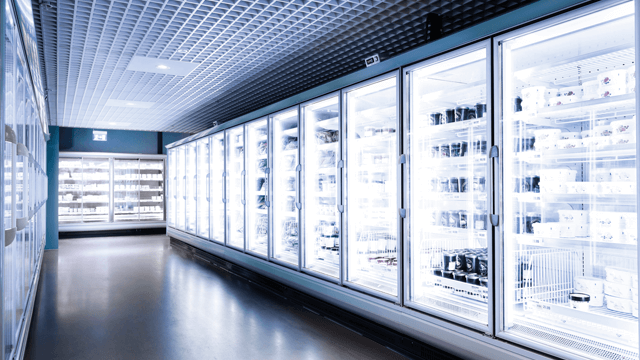
Found in supermarkets and convenience stores, these units are designed to showcase products while keeping them chilled. Glass doors and open displays improve visibility and boost sales.
Reach-In Refrigerators
Compact and efficient, reach-in units are ideal for kitchens with limited space. They are commonly used for daily food storage and quick access.
Industrial Cold Storage Systems
Used in large warehouses and logistics centers, these systems support bulk storage and long-term preservation of goods, often integrated with automated temperature monitoring.
Energy Efficiency and Sustainability
Energy consumption is one of the biggest concerns in commercial refrigeration. These systems operate 24/7, making energy efficiency a top priority for businesses aiming to reduce operational costs. Modern commercial refrigeration systems are designed with advanced compressors, improved insulation, and smart controls that optimize performance while minimizing energy use.
Sustainability is also shaping the future of commercial refrigeration. Many businesses are transitioning to eco-friendly refrigerants that have a lower environmental impact. Compliance with global environmental regulations not only reduces carbon footprints but also enhances brand image and long-term cost savings.
Key Features to Consider When Choosing Commercial Refrigeration
Selecting the right commercial refrigeration system requires careful consideration of several factors:
- Temperature Control: Accurate and consistent temperature management is essential to protect stored goods.
- Capacity and Size: The system should match your storage needs without wasting space or energy.
- Durability: Commercial units must withstand heavy usage and demanding environments.
- Energy Efficiency: Look for systems designed to reduce power consumption and operating costs.
- Maintenance and Support: Easy maintenance and access to technical support can prevent downtime and costly repairs.
Maintenance and Long-Term Performance
Regular maintenance is crucial for the longevity and efficiency of commercial refrigeration systems. Routine cleaning of coils, checking door seals, monitoring refrigerant levels, and ensuring proper airflow can significantly extend equipment life. Preventive maintenance also reduces the risk of unexpected breakdowns that could disrupt business operations.
Many businesses now use digital monitoring systems that provide real-time data on temperature and performance. These smart solutions help identify issues early, improve efficiency, and ensure compliance with safety standards.
The Future of Commercial Refrigeration
The commercial refrigeration industry continues to evolve with advancements in technology. Automation, IoT integration, and smart sensors are transforming how systems are monitored and managed. Businesses can now track energy usage, receive alerts, and optimize performance remotely.
As consumer expectations rise and regulations become stricter, demand for reliable, efficient, and sustainable commercial refrigeration will continue to grow. Companies that invest in modern refrigeration solutions gain a competitive advantage through reduced costs, improved efficiency, and enhanced product safety.
Conclusion
Commercial refrigeration is more than just cooling equipment—it is a vital infrastructure that supports modern business operations across multiple industries. From preserving food quality to ensuring pharmaceutical safety, these systems play a foundational role in everyday commerce. By selecting the right refrigeration solutions, prioritizing energy efficiency, and maintaining systems properly, businesses can achieve long-term reliability and operational success.
As technology advances, commercial refrigeration will continue to become smarter, greener, and more efficient, making it a vital investment for businesses seeking to meet future challenges and capitalize on opportunities.