Centralized vs. Individual AC Systems in Dubai Properties
Description
In Dubai, air conditioning is not just a feature of modern living—it is a fundamental requirement for comfort, health, and productivity. With extreme temperatures dominating much of the year, property owners must make smart decisions about cooling systems that balance performance, cost, and long-term reliability. One of the most common questions faced by developers, landlords, and homeowners is whether a centralized system or individual units are better suited for their properties. This decision affects energy consumption, maintenance planning, user control, and overall operating costs. Understanding how each system works, along with the role of AC maintenance services, helps property owners choose a solution that aligns with Dubai’s climate and usage demands.
Understanding air conditioning needs in Dubai
Dubai’s climate places unique demands on cooling systems. High ambient temperatures, humidity, and dust mean that AC units often run for extended hours with minimal seasonal downtime. This constant workload makes system efficiency and durability especially important. Whether in residential towers, villas, offices, or mixed-use developments, the choice of AC system must support uninterrupted performance while remaining cost-effective over time.
Cooling requirements also vary based on property size, occupancy patterns, and usage type. A luxury villa has very different needs compared to a high-rise apartment or a commercial building. This is where the comparison between centralized and individual systems becomes critical.
What are centralized AC systems
How centralized systems work
Centralized air conditioning systems cool an entire building or large sections of it from a single plant or mechanical room. Chilled air or water is distributed through ducts or piping to multiple spaces. These systems are commonly found in large residential towers, hotels, malls, hospitals, and office complexes across Dubai.
Common types of centralized systems
Centralized cooling may include chilled water systems, district cooling connections, or large packaged units. Each type is designed to handle heavy loads and continuous operation, making them suitable for properties with uniform cooling requirements across multiple zones.
What are individual AC systems
How individual systems operate
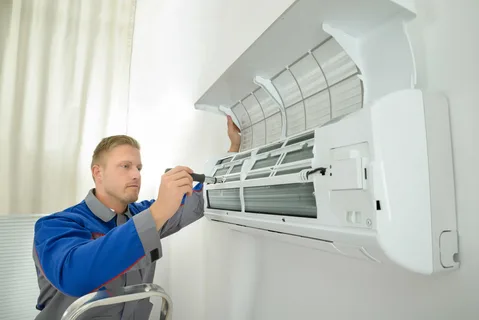
Individual AC systems are standalone units installed separately for each apartment, room, or zone. These include split units, multi-split systems, and small ducted units. Each system operates independently, giving users direct control over temperature settings and usage.
Where individual systems are commonly used
Individual units are popular in villas, small residential buildings, retail outlets, and offices where cooling needs vary from one space to another. They offer flexibility and are often easier to install in smaller properties.
Installation considerations
Initial setup for centralized systems
Centralized systems require significant planning during the construction phase. They involve space allocation for plant rooms, ducting networks, and equipment installation. While the upfront investment is higher, these systems are designed to serve large properties efficiently over time.
Installation of individual units
Individual systems are generally quicker and less complex to install. They are well-suited for retrofitting existing buildings or properties where centralized infrastructure is not feasible. Installation costs are lower initially, making them attractive for smaller developments.
Energy efficiency and consumption
Centralized system efficiency
Centralized systems can be highly energy-efficient when designed and operated correctly. They benefit from economies of scale, especially in large buildings with consistent cooling demand. Advanced control systems can optimize performance across zones, reducing overall energy waste.
Individual system energy use
Individual units allow occupants to cool only the spaces they are using, which can lead to energy savings in low-occupancy properties. However, inefficient usage or aging units can result in higher cumulative energy consumption when multiple systems run simultaneously.
Control and comfort levels
Temperature control in centralized systems
Centralized systems often offer limited individual control unless advanced zoning is implemented. In residential buildings, this can sometimes lead to discomfort if occupants have different temperature preferences.
Flexibility with individual systems
Individual AC units provide direct control to users, allowing customized comfort levels in each space. This flexibility is particularly valued in villas, offices with varying occupancy, and mixed-use properties.
Maintenance and operational requirements
Maintaining centralized systems
Centralized systems require specialized technical expertise and scheduled inspections to maintain performance. Their complexity means that maintenance planning must be proactive and consistent. This is where professional AC maintenance services play a vital role, ensuring that large-scale systems operate reliably and efficiently throughout the year.
Servicing individual units
Individual systems are easier to service and isolate. If one unit fails, it does not affect the entire property. However, maintaining multiple units can become time-consuming and costly if not managed properly, especially in properties with many tenants.
Cost comparison over time
Long-term costs of centralized systems
While centralized systems involve higher initial investment, they often deliver lower operating costs per unit in large properties. Their durability and efficiency can result in better long-term value when supported by proper maintenance.
Long-term costs of individual systems
Individual units may seem cost-effective initially, but replacement cycles and cumulative maintenance expenses can add up over time. Energy efficiency also depends heavily on user behavior and system age.
Suitability for different property types
High-rise residential buildings
Centralized systems are commonly preferred for high-rise developments due to their ability to serve multiple units efficiently. They also reduce external unit clutter, maintaining building aesthetics.
Villas and low-rise properties
Individual systems are often better suited for villas, where occupants value personal control and usage patterns differ from room to room.
Commercial and mixed-use developments
Commercial buildings may use either system depending on size and usage. Offices with consistent occupancy may benefit from centralized cooling, while retail spaces often prefer individual systems for flexibility.
Impact on property value and tenant satisfaction
Centralized systems and property appeal
Properties with well-managed centralized cooling often appeal to tenants seeking convenience and predictable costs. Consistent comfort and professional management can enhance long-term property value.
Individual systems and tenant control
Tenants who value autonomy often prefer individual systems, as they can control usage and costs directly. This can be a key factor in tenant satisfaction, especially in residential rentals.
Also Read this : Groundwater vs. Surface Water: Which Is Better for Industries in Tanzania?
Choosing the right system for Dubai properties
Selecting between centralized and individual AC systems requires careful evaluation of property size, usage patterns, budget, and long-term goals. Climate conditions, energy costs, and maintenance capabilities must all be considered. There is no universal solution, only the right fit for specific needs.
Property owners who plan ahead and invest in appropriate cooling strategies often experience fewer operational issues and better financial outcomes over time.
Conclusion
Both centralized and individual AC systems have distinct advantages and challenges for Dubai properties. Centralized systems offer efficiency and scalability for large developments, while individual units provide flexibility and control for smaller or varied spaces. The right choice depends on property type, occupancy, and long-term cost considerations. With thoughtful planning, proper system selection, and consistent maintenance, property owners can ensure reliable cooling, enhanced comfort, and sustainable performance in Dubai’s demanding climate.