Can a Feral Pigeon Trap Be Used for Commercial and Industrial Properties?
Description
Commercial and industrial sites can see the benefits of the use of a feral pigeon trap when pigeons have made a habit of causing problems on roofs, warehouses, loading areas, and machines. Trapping is a good way to manage large numbers of pigeons; however, it needs great organization in a process of its implementation along with other methods like exclusion of the birds, scaring them away, cleaning up the waste, and achieving a proper management of the site for long-lasting effects.
The Impact of Feral Pigeons on Businesses
Feral pigeons are always ready to find a safe place where they can eat, rest, and hide from unfavorable weather conditions.Such places can be found at commercial enterprises. Warehouses, factories, shopping malls, office buildings, and industrial facilities usually have places where pigeons can stop.
The issue usually starts small. A few pigeons near a loading area or roof edge might not seem serious.But then droppings build up.Feathers and nesting materials appear.Walkways get dirty, equipment gets covered, and workers or customers have to walk under active bird areas.Eventually, what started as a small annoyance becomes a bigger property management problem.
Can a Feral Pigeon Trap Work on Large Properties?
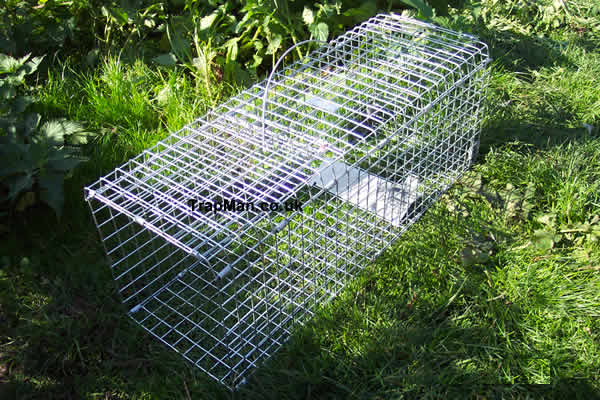
Yes, a Feral Pigeon Trap can be used on big commercial and industrial sites, but the size of the property matters. A small office with a few pigeons is different from a warehouse with lots of birds coming back every day.Trapping should be based on how the pigeons use the site, not just how many you see at once.
Where you place the trap also matters. Pigeons are creatures of habit and often go back to places they already feel safe.A trap in a random empty corner may not be very effective.Areas where pigeons regularly hang out, feed, or fly by are usually better places to try.Sometimes it takes watching for a few days to see the pattern.
Why Pigeons Keep Returning to Industrial Buildings
Industrial buildings can be almost perfect for pigeons. Large roof areas give them shelter.Beams and ledges make good perching spots.HVAC systems, signs, pipes, solar panels, and structural gaps give them places to sit or hide.Add food waste or standing water and the building becomes even more appealing. Cleaning alone won’t stop this behaviour.
You can wash a ledge and make it look clean, but if the birds still have somewhere comfortable to land, they might come back the next day.This is frustrating for many property managers.The mess can be cleaned up, but the reason for the mess is still there.
A Feral Pigeon Trap can help lower the number of active birds, but it shouldn’t be the only solution. If the building still offers shelter and food, more pigeons may move in.Effective bird control should look at the building, not just the birds.
Where Could a Feral Pigeon Trap Be Used?
Commercial and industrial sites have many possible places for traps, but they should always be placed where pigeons are active. Roofs, warehouse structures, service yards, plant rooms, loading bays, and sheltered parts of big buildings should be checked.The goal is to find where pigeons spend most of their time and how they move around the site. Look for clear signs.
Droppings under beams can show where pigeons roost.Feathers and nesting materials can point to a nesting area.Heavy staining around a roof edge may mean pigeons often land there.These details give a clearer picture than just counting birds from the ground. Access can also be a problem on industrial sites.
Some areas may need special equipment or controlled entry because of machinery, electrical systems, roof dangers, or ongoing work.A trap should never interfere with workers, vehicles, production areas, or regular activities.That sounds obvious, but it’s easy to forget when the pigeon issue is really frustrating.
Trapping Should Be Part of a Wider Bird-Control Plan
A trap can remove birds from an area, but stopping them from coming back is the real challenge. Once the number of active birds has gone down, property owners should check where pigeons are hiding and perching.
This could mean fixing gaps in the roof or putting up things that stop birds from landing. Pigeon spikes can be very helpful on flat areas like ledges, parapets, beams, signs, and roof edges where pigeons sit a lot. The idea is simple — instead of giving them a place to land comfortably, the surface makes it hard for them to sit.It doesn’t need to be complicated.
The key is to cover enough area. Putting a small strip of deterrent without covering the whole area may only move the pigeons a few feet away.They’ll go for the easier option.On commercial buildings, checking the main landing spots before putting up any system is important.
What About Pigeon Droppings and Nesting Material?
Bird droppings are more than just a mess. Large piles can make a place uncomfortable to work or walk in and need more cleaning.Around machines, drains, walkways, vehicles, and doorways, the mess can get really bad.No one wants people stepping through piles of bird droppings every day. Existing droppings won’t go away just because you put up a pigeon trap. Cleaning is still needed.The same goes for old nests, feathers, and other things left behind by pigeons.
Cleaning also helps you see which parts of the building are getting used the most. There’s another reason to clean regularly. If you clean the area but let birds use the same spots again, the problem comes back.Just trapping, cleaning, and forgetting isn’t a long-term solution.The building also needs some kind of prevention.
Why Commercial Properties Need Professional Planning
Bird control on commercial and industrial sites can get complicated quickly. A property might have several roofs, different heights, hard-to-reach areas, machinery, vents, drains, and spaces that can’t be closed off.What works for a small home roof might not fit a warehouse or factory. Professional planning helps find the real problem.
It also helps avoid putting up deterrents in the wrong places.For example, pigeons might look like they’re gathering on one roof edge, but their main nest could be under a nearby building.Fixing just the obvious spot won’t help much. Timing can also be important. When planning inspections, cleaning, trapping, or installation,
you should think about how the business runs.A loading area that’s busy all day may need work done outside regular hours.Industrial sites have their own routines, and bird control needs to fit around them.
When a Feral Pigeon Trap May Not Be Enough
There are situations where trapping alone isn’t enough. If pigeons are nesting inside roof spaces, under solar panels, behind signs, or in sheltered parts of the building, they might still use those spaces even after some are caught.The entrance is still there. Food sources can also keep attracting pigeons.
Open bins, uncovered food waste, poorly managed trash, and people feeding birds make a place very inviting.Standing water is also something to check.Sometimes a small environmental change can make a big difference in bird behavior. That’s why a proper assessment is important.
If trapping is used, it should be part of a bigger plan that includes keeping birds out, cleaning up, changing the environment, and using physical deterrents.There’s no point catching pigeons again and again if the entrance is still open for the next group.
Are Roof Deterrents Useful After Trapping?
Yes, and that’s where prevention becomes important. Once pigeon activity has gone down, you can make the places they used to land less inviting.For example, using pigeon spikes on ledges and parapets can stop birds from landing.Other areas might need different ways to stop birds depending on their size and design. Installation has to be done right. Pigeons are really good at finding gaps.If there’s an uncovered corner or enough space next to a deterrent, they might use it again.
A few poorly placed strips can trick you into thinking the property is safe from pigeons, when in reality, the birds have just moved somewhere else in the building. Regular checks are important too. Weather, maintenance, construction, and everyday wear can all affect bird control systems over time.Commercial properties are always changing.A solution that worked well two years ago might need fixing after roof work or if the building’s use has changed.
How to Get Better Long-Term Results
The best pigeon control usually comes from understanding the problem before you try to fix it. Watch where the birds land.Check where they nest.Look at what they eat and drink.See which roof edges, ledges, beams, and sheltered areas they like.It sounds simple, but this information makes a big difference.
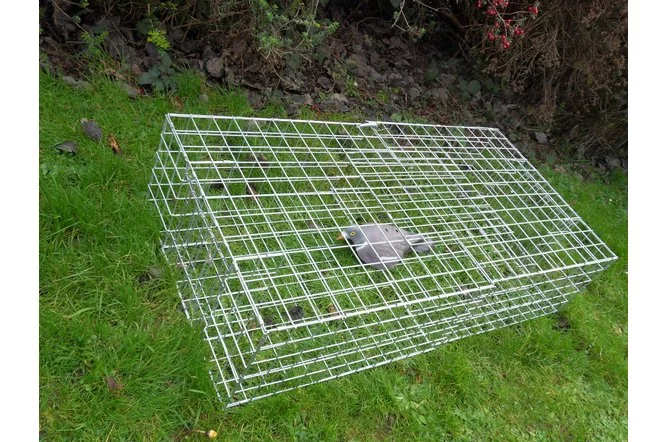
A Feral Pigeon Trap can then be useful for reducing the number of birds in a controlled way, while other methods deal with why they keep coming back. Cleaning removes the mess.Exclusion stops birds from entering safe areas.Deterrents make regular perching spots less comfortable.Changing the environment can take away food and water sources. Using this combination is smarter than relying on just one method.
Pigeons adapt.They move.They try different areas.If one spot is taken away, they’ll find another.Commercial property owners should expect this and build their bird control plan around it.A little planning now can save a lot of repeated cleaning and maintenance later.
Conclusion
A Feral Pigeon Trap can be used on commercial and industrial properties, especially where pigeon numbers have become hard to manage and birds keep using the same areas. However, trapping works best as part of a larger control plan, not on its own.Cleaning, blocking entrances, managing food sources, and using physical deterrents can all help reduce the chance of pigeons coming back.
For roof edges, ledges, parapets, and other common perching spots, Pigeon Spikes can offer a practical way to make these areas less appealing to birds. The main goal isn’t just to get rid of pigeons today.It’s to make the property less inviting to them tomorrow.That’s why a proper bird control plan is worth the effort.