The B2B Exporter’s Guide: Shipping Bulk Parboiled Rice to African Markets
Description
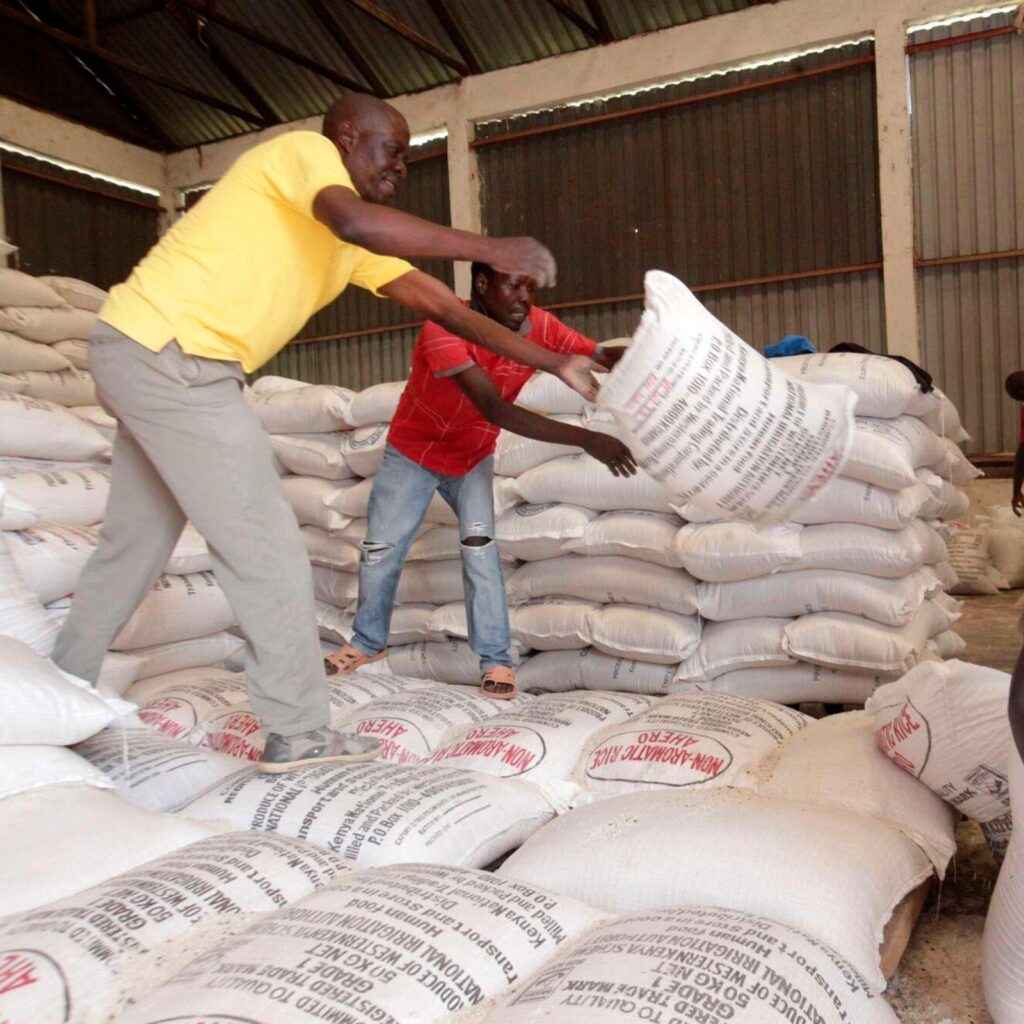
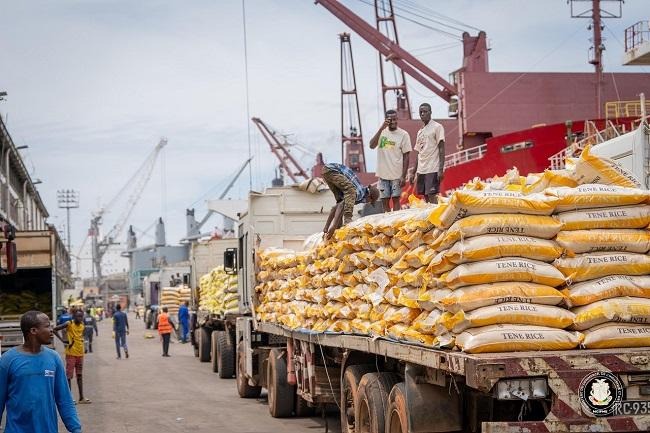
Let us explore why Africa remains the world’s largest opportunity for B2B parboiled rice exporters.
For rice exporters, there are few markets that offer the scale, consistency, and long-term growth potential of Africa today. While many regions have cyclical demand patterns, Africa’s rice demand is structural. As one may know already, the continent is now one of the world’s biggest rice importers due to population growth and rapid urbanization leading to increased consumption and a persistent gap between local production and consumption. Africa yet remains a net importer of food products.
Market analysts said Africa is expected to be one of the key drivers of global rice trade in 2026 with sub-Saharan Africa importing around 22.3 million tonnes of rice in 2025.
Africa remains one of the most attractive destinations for global agricultural trade for exporters seeking sustainable volume growth, not ad hoc spot deals.
African Consumers’ Preference for Parboiled Rice
Parboiled rice has a special place in the African food markets. It is used by households, foodservice operators, wholesalers, institutional buyers, and government procurement programs, unlike many premium rice categories, which are targeted at niche consumers.
It all boils down to the fact that the choice is a matter of convenience. Parboiled rice has a longer shelf life, a more robust grain structure, better retention of nutrients and less breakage during transport and storage. This makes it particularly suitable for African distribution networks where products are often on the road for long distances before reaching consumers.
Moreover, many popular West African dishes need rice that is firm and separate after cooking, thus making parboiled varieties particularly attractive to the buyers.
Major African Markets Every Exporter Must Know
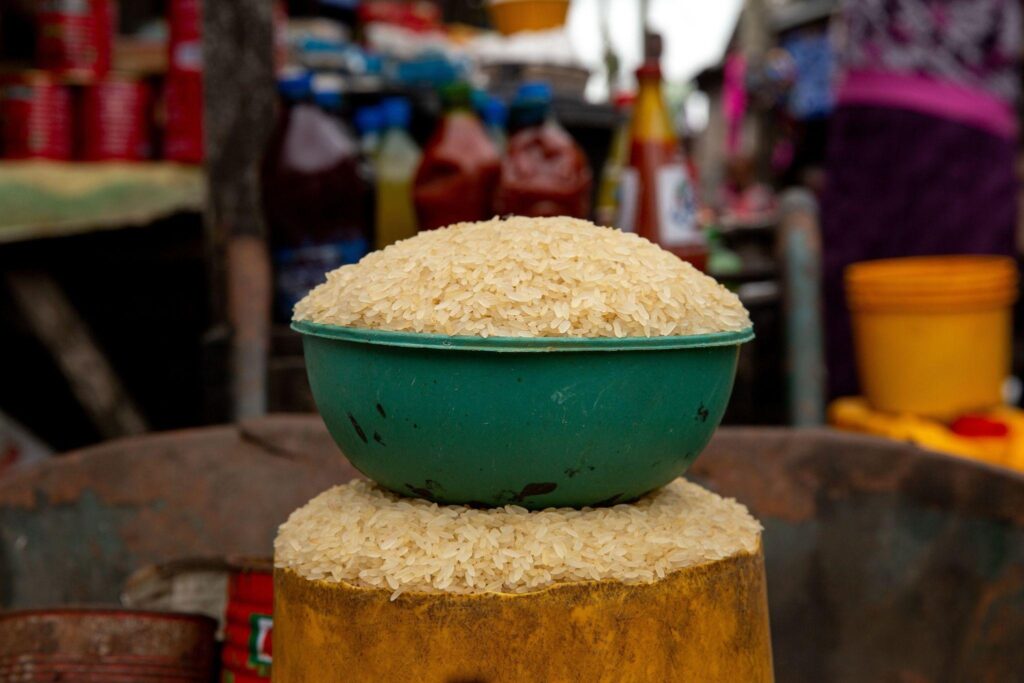
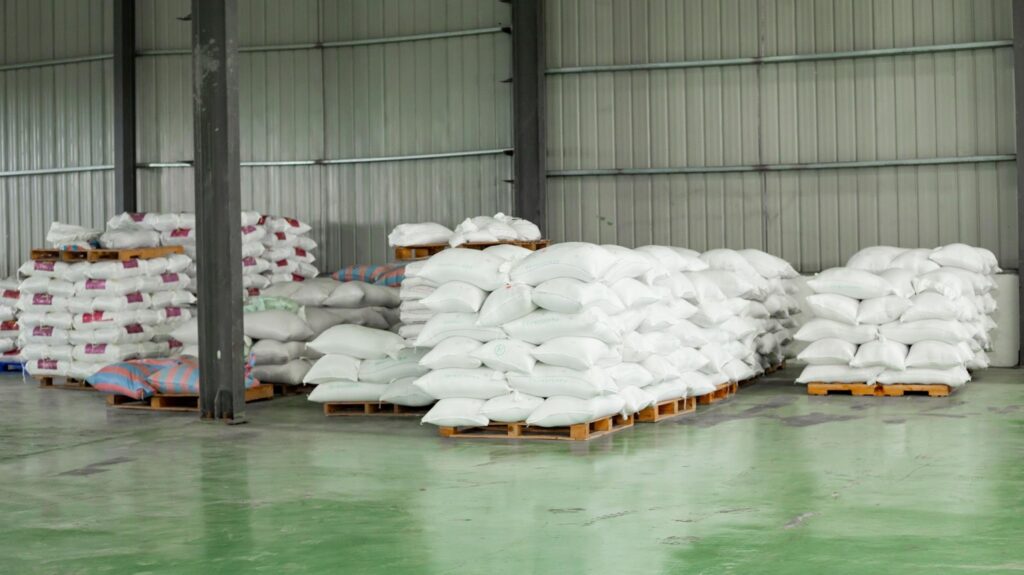
Across the continent, rice is imported, but there are a few countries that are big demand centers.
Nigeria is one of the largest consumers of rice in Africa, importing millions of tonnes annually despite massive efforts in domestic rice production.
Benin is a key trading hub for rice entering West Africa and often serves as a redistribution point for neighboring countries.
Senegal, Côte d’Ivoire, Guinea, Ghana, and South Africa also represent large opportunities for exporters interested in bulk rice procurement contracts.
It is important for exporters to have diversity. Africa has multiple demand centers rather than one destination, which helps to spread risk while maintaining the volume of shipments.
Why Indian Exporters Hold a Strong Advantage
India remains one of the most important suppliers to African markets and continues to dominate global rice exports. The country can produce large quantities of parboiled rice for cheap and ship in bulk, giving exporters a major advantage.
Popular export varieties such as the following:
- IR-64 Parboiled Rice
- PR-11 Parboiled Rice
- Long Grain Non-Basmati Parboiled Rice
- 5% Broken and 25% Broken Parboiled Rice
Demand remains strong across West and Central Africa.
Africa is one of the few regions where large-volume repeat orders are still common for exporters with established milling and logistics capabilities.
The Financial Appeal: Why Exporters Focus on Africa
The most attractive part of African markets isn’t necessarily the highest per-tonne margin. Instead, it is the combination of:
- Consistent demand year after year
- Significant shipment volumes
- Repeated procurement cycles
- Long-term customer relations
- Expansion of consumer markets
Many successful exporters are building highly scalable businesses through steady container and vessel-based shipments to African buyers rather than relying solely on premium-margin specialty rice segments.
Often the real profitability is in volume, repeat business, and efficient logistics management rather than extraordinary margins on individual shipments, yet the biggest challenge still exists. Let us see what these challenges are and how to tackle them.
The Biggest Challenge: Getting Verified African Buyers


Despite the huge opportunity, many exporters face a common challenge—buyer discovery.
Historically, exporters have depended on the following:
- Trade fairs
- Overseas travel
- Brokers and intermediaries
- Personal networks
- Referral-based sourcing
These techniques are costly, time-consuming, and often result in inconsistent results.
Even after investing a lot in marketing and business development, exporters often have to deal with non-serious inquiries, vague requirements, slow negotiations, and payment issues.
For many suppliers it is more difficult to access demand than it is to produce the rice itself.
Digitally Changing the Equation
It is here that the modern procurement ecosystems are altering the global rice trade.
Tradologie.com is an AI-powered procurement platform that links exporters with verified international buyers. Instead of spending months looking for opportunities, exporters have access to active demand from importers, distributors, government procurement agencies, wholesalers, and institutional buyers in Africa and other regions.
The company is focused on solving all the pain points for importers and exporters alike.
- Direct interaction with verified buyers
- Real-time negotiation
- Standardized procurement workflows
- Transparent communication
- Faster deal closures
More importantly, exporters can see real bulk requirements and not speculative inquiries. If you don’t believe me now, try to visit the website or download the mobile application and see for yourself how easy it is to grab bulk export orders and how seamlessly a dedicated team expedite shipment and payments.
Africa’s Growing Demand—and the Need for Structured Trade
Africa accounts for approximately one-third of the world’s rice imports and continues to be a growth engine for international rice trade. Analysts say that this demand will remain strong for the rest of the decade, supported by demographic growth and consumption trends.
As volumes increase, exporters will require more efficient ways to reach buyers, negotiate, and do transactions at scale.
Fragmented networks and manual sourcing, the traditional method, are being replaced by digital trade ecosystems that can handle large volumes more transparently and efficiently.
The problem has never been demand. The difficulty has been efficiently finding the right buyers. Tradologie.com bridges this gap by bringing verified African rice buyers and export-ready suppliers on one AI-powered platform.